
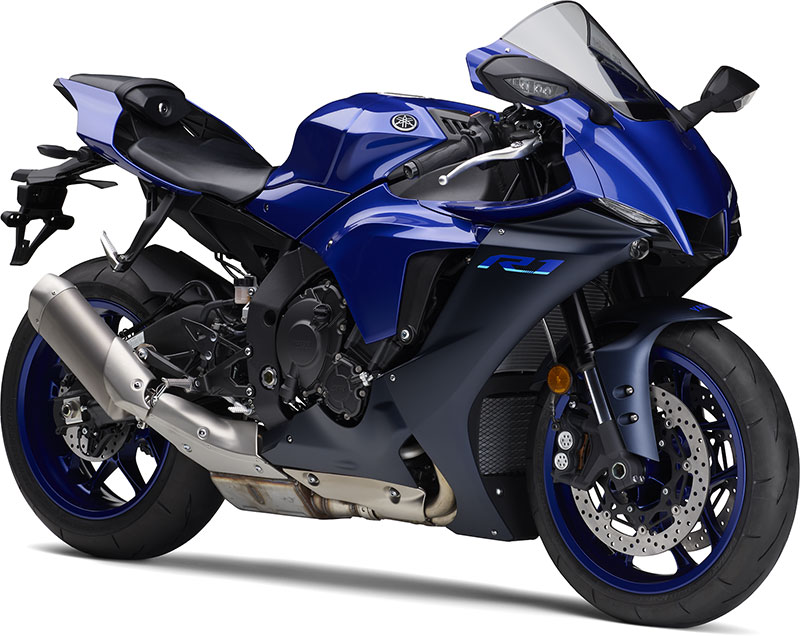
Picture this: you're carving through a winding country road, the sun on your back, the engine humming. Pure bliss, right? But suddenly, a tractor pulls out of a hidden driveway, leaving you a split second to react. That's rural riding – unpredictable and demanding.
Riding in rural areas presents unique challenges compared to urban environments. We're talking about blind corners, gravel patches, slower-moving farm vehicles, and wildlife crossings – all demanding heightened awareness and specialized skills. Mastering these techniques can significantly reduce your risk of accidents and boost your confidence, allowing you to fully enjoy the beauty and freedom of rural motorcycle adventures.
One of the most immediate improvements you can make is adjusting your speed and positioning for every cornerbeforeyou enter it. Slow down more than you think you need to, and position yourself to maximize your view of the road ahead. Treat every curve as if there's an obstacle just beyond the apex. This proactive approach buys you precious time to react to the unexpected.
Mastering Rural Motorcycle Riding Safety
Rural roads offer incredible riding experiences, but they demand respect and a proactive approach to safety. Understanding the specific hazards and adapting your riding style accordingly are crucial for a safe and enjoyable journey.
Understanding the Unique Hazards of Rural Roads
Rural environments present a different set of risks than city streets. Fewer streetlights mean reduced visibility at night. Farm equipment moves slowly and can be difficult to spot, especially when entering or exiting fields. Wildlife is abundant and unpredictable, and gravel or debris on the road is a constant threat. Recognizing these potential dangers is the first step toward mitigating them.
Reduced Visibility: Be especially cautious at dawn, dusk, and nighttime. Use your high beams when appropriate and consider auxiliary lighting to improve your visibility. Agricultural Vehicles: Maintain a safe following distance behind tractors and other farm equipment. Be patient and only pass when it's safe and legal to do so. Wildlife: Scan the sides of the road for animals, especially deer, which are most active at dawn and dusk. If you see an animal, slow down and be prepared to stop. Road Surface Conditions: Be aware of gravel, potholes, and other road hazards. Adjust your speed and riding position to maintain control.
Essential Motorcycle Safety Tips for Rural Riding
Here's a comprehensive guide to enhancing your motorcycle riding safety in rural traffic:
1. Increase Your Visibility
Being seen is paramount. Rural roads often lack streetlights, and other drivers may not be expecting motorcycles.
Wear Bright Clothing: Opt for brightly colored jackets, helmets, and gloves. Fluorescent colors are particularly effective during daylight hours. Use Reflective Gear: Add reflective tape to your motorcycle and clothing to enhance visibility at night. Maintain Your Lights: Ensure your headlights, taillights, and turn signals are working correctly. Consider upgrading to brighter LED lights. Ride with Your Headlight On (Daytime Running Lights): Even during the day, a functioning headlight significantly increases your visibility to other drivers.
2. Practice Defensive Riding Techniques
Defensive riding is all about anticipating potential hazards and taking proactive steps to avoid them.
Scan the Road Ahead: Constantly scan the road for potential hazards, such as potholes, gravel, animals, and oncoming traffic. Maintain a Safe Following Distance: Give yourself plenty of room to react to unexpected events. The two-second rule is a good starting point, but increase it in adverse conditions. Cover Your Brakes: Keep your fingers lightly resting on the brake lever so you can react quickly if needed. Use Your Horn: Don't hesitate to use your horn to alert other drivers to your presence, especially when approaching blind corners or intersections. Assume You're Invisible:Ride as if other drivers don't see you. This mindset will help you anticipate their actions and avoid potential collisions.
3. Adjust Your Speed for Conditions
Speed is a major factor in motorcycle accidents. Adjust your speed to account for road conditions, visibility, and traffic.
Slow Down on Gravel: Reduce your speed significantly on gravel roads to maintain control. Use smooth, deliberate movements. Reduce Speed in Low Light Conditions: Lower speed increases your reaction time and ability to navigate potential hazards in limited visibility. Moderate Speed Around Corners: Enter turns at a speed that allows you to maintain control and adjust if necessary. Obey Speed Limits: While this should be obvious, the posted speed limit is themaximumsafe speed under ideal conditions. Adjust your speed accordingly.
4. Be Prepared for Wildlife Encounters
Rural areas are home to a variety of wildlife, and encounters with animals can be dangerous.
Be Alert at Dawn and Dusk: Animals are most active during these times of day. Scan the Sides of the Road: Watch for animals crossing or standing near the road. If You See an Animal, Slow Down: Reduce your speed and be prepared to stop. Avoid Swerving: If an animal runs in front of you, brake firmly and try to avoid swerving, which could cause you to lose control. Aimbehindthe animal if a collision is unavoidable. Use Your Horn:A quick blast of the horn may scare the animal away.
5. Maintain Your Motorcycle
A well-maintained motorcycle is essential for safety.
Check Your Tires: Ensure your tires are properly inflated and have adequate tread. Inspect Your Brakes: Check your brake pads, rotors, and fluid levels. Lubricate Your Chain: A properly lubricated chain will improve performance and extend its lifespan. Check Your Lights: Make sure all your lights are working correctly. Service Your Motorcycle Regularly:Follow the manufacturer's recommended maintenance schedule.
6. Plan Your Route and Be Aware of Road Conditions
Knowing what to expect on your ride will help you prepare for potential hazards.
Check the Weather Forecast: Avoid riding in severe weather. Research Your Route: Look for potential hazards, such as gravel roads, construction zones, or areas with high wildlife activity. Inform Someone of Your Plans: Let someone know where you're going and when you expect to be back. Carry a Map and a GPS: Don't rely solely on your phone for navigation, as cell service may be unreliable in rural areas.
Addressing Common Concerns of Rural Motorcyclists
Let's answer some frequently asked questions that will help you gain more confidence and skill.
What’s the safest way to corner on a motorcycle?
Cornering safely involves a multi-step process. First,slow downbefore entering the corner. Then,look through the turn– focus your eyes on where you want to go.Lean the motorcycleinto the turn, using your body weight to help guide it. Maintain a smooth throttle and avoid sudden changes in speed or direction. Practice in a controlled environment to refine your technique. Consider taking an advanced riding course that covers cornering techniques in detail.
How can I ride confidently in bad weather?
Riding in rain, wind, or fog requires extra caution and preparation. Reduce your speed significantly and increase your following distance. Wear rain gear that provides good visibility. Be extra cautious when braking, as stopping distances will be longer. Avoid sudden movements and be prepared for slippery road surfaces. If the weather becomes too severe, pull over to a safe location and wait it out. Consider investing in tires designed for wet weather conditions.
What gear is most important for crash protection?
While all protective gear is important, the most crucial items are a helmet, jacket, gloves, and boots. A properly fitted helmet is essential for protecting your head in the event of a crash. A motorcycle jacket and gloves provide abrasion resistance and impact protection. Sturdy boots will protect your ankles and feet. Consider investing in riding pants with built-in armor for additional protection. Remember that proper fit is as important as the gear itself.
The Confidence Advantage
Ultimately, safety translates to confidence. By implementing these motorcycle riding safety tips, you'll feel more prepared and in control, allowing you to fully immerse yourself in the joy of rural motorcycle riding.
Remember, every ride is an opportunity to learn and improve. Stay vigilant, practice safe riding habits, and always prioritize your safety. The open road awaits, filled with breathtaking scenery and unforgettable experiences. Enjoy the ride, responsibly.