
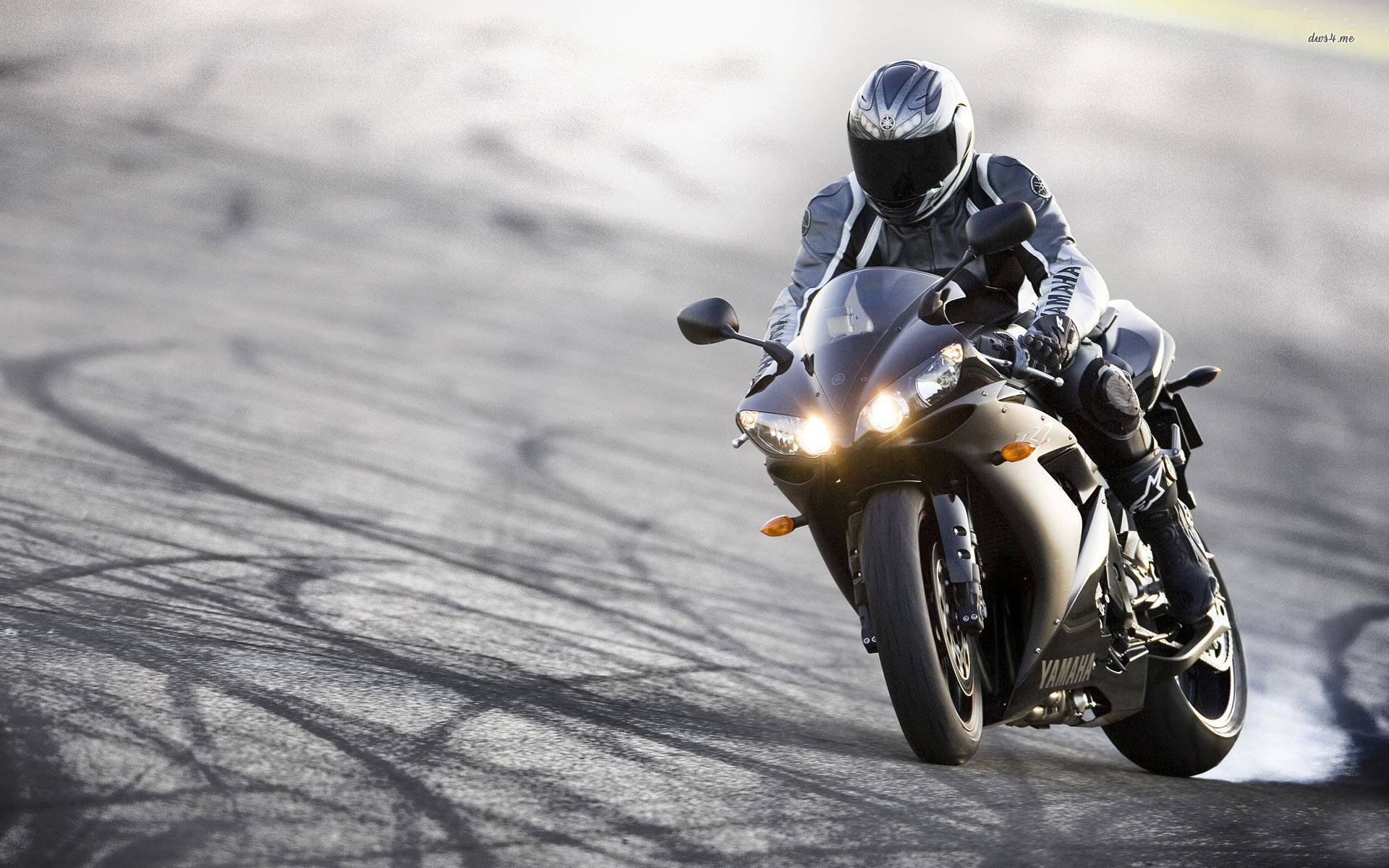
Picture this: you're splitting lanes on your way home after a long day, sunlight glinting off the cars around you. Suddenly, a driver merges without signaling, cutting you off. Your heart pounds, but thanks to your quick reactions and safety skills, you manage to avoid a collision. That feeling of control – that's what this is all about.
Motorcycle commuting presents unique challenges. We’re smaller, more vulnerable, and constantly interacting with larger vehicles. Upping your safety game isn’t just about avoiding accidents; it’s about building confidence, reducing stress, and truly enjoying every ride. It's about arriving home safe and sound, ready to unwind, knowing you navigated the urban jungle with skill and awareness. Let's dive into some key strategies to make your daily commute safer and more enjoyable.
Gear Up for Safety and Visibility
Choosing the right gear goes beyond just looking the part. It's about maximizing protection and ensuring you're seen by other drivers. Think of it as your personal armor for the road.
Helmet: This is non-negotiable. Opt for a full-face helmet with a high safety rating (DOT, ECE, or Snell). Make sure it fits snugly and is in good condition. Replace it after any impact, even if it looks fine.
Jacket and Pants: Invest in a quality motorcycle jacket and pants made from abrasion-resistant materials like leather or reinforced textiles. Look for features like armor in the shoulders, elbows, knees, and hips. Consider hi-vis options or adding reflective tape for enhanced visibility, especially during dawn, dusk, and nighttime riding.
Gloves: Your hands are often the first point of contact in a fall. Choose gloves that offer good protection for your palms, knuckles, and fingers. Leather or synthetic materials with reinforced palms are ideal.
Boots: Protect your ankles and feet with sturdy motorcycle boots that cover your ankles. Look for features like reinforced toes and heels, and non-slip soles.
Visibility Aids: Beyond your riding gear, consider adding reflective tape to your motorcycle and helmet. A bright, high-visibility vest or jacket can also significantly increase your chances of being seen.
What gear is most important for crash protection?
While all protective gear plays a role, your helmet is arguably the most crucial. A high-quality, well-fitting helmet can significantly reduce the risk of head injury in the event of a crash. Following closely behind are your jacket and pants, particularly those with integrated armor, as they protect your vital organs and limbs from abrasion and impact.
Master Defensive Riding Techniques
Defensive riding is about anticipating potential hazards and proactively avoiding them. It's about being prepared for the unexpected and making smart decisions to stay safe.
Scan and Anticipate: Constantly scan your surroundings for potential hazards, such as cars changing lanes, pedestrians stepping into the road, or debris in your path. Anticipate what other drivers might do and be ready to react accordingly. Remember the acronym SIPDE: Scan, Identify, Predict, Decide, Execute.
Maintain a Safe Following Distance: Give yourself plenty of space between you and the vehicle in front of you. The general rule of thumb is at least two seconds in good conditions, and even more in wet or slippery conditions.
Use Your Mirrors and Head Checks: Check your mirrors frequently and always perform a head check before changing lanes or making a turn. Don't rely solely on your mirrors, as they can have blind spots.
Be Visible: Make sure you're visible to other drivers by using your headlights, even during the day. Wear bright, reflective clothing and position yourself in your lane where you can be easily seen. Consider adding auxiliary lighting to your motorcycle for increased visibility.
Lane Positioning: Adjust your lane position to maximize visibility and create space around you. Avoid riding in blind spots and stay out of the "oil strip" in the center of the lane.
Assume You're Invisible: This might sound pessimistic, but it's a crucial mindset. Ride as if other drivers can't see you, and you'll be more likely to anticipate their mistakes and react accordingly.
How can I improve my hazard perception skills?
Improving hazard perception takes practice and focused attention. Start by consciously scanning your surroundings during every ride, looking for potential risks. Take a rider training course that emphasizes hazard perception. Regularly review videos of motorcycle accidents to analyze the causes and identify potential warning signs. The more you practice recognizing hazards, the faster and more effectively you'll be able to react to them.
Ride Prepared for All Weather Conditions
Weather can drastically impact motorcycle riding safety, and being prepared is key.
Rain: Reduce your speed, increase your following distance, and avoid sudden braking or acceleration. Rain gear is essential for staying dry and comfortable. Be aware that painted lines and metal surfaces can become very slippery when wet.
Wind: Strong winds can make it difficult to control your motorcycle. Reduce your speed, lean into the wind, and be prepared for gusts. Be especially cautious when riding near large vehicles or open areas.
Cold: Dress in layers to stay warm and comfortable. Cold weather can affect your concentration and reaction time. Consider using heated grips or gloves to keep your hands warm.
Heat: Stay hydrated by drinking plenty of water. Wear breathable clothing to help keep you cool. Be aware of the signs of heat exhaustion and take breaks when needed.
Fog: Reduce your speed, use your low beams (not high beams, which can reflect back and worsen visibility), and be prepared to stop quickly. Listen for other vehicles and be extra cautious at intersections.
How can I ride confidently in bad weather?
Confidence in bad weather comes from practice and preparation. Start by practicing in controlled environments, such as an empty parking lot, to get a feel for how your motorcycle handles in different conditions. Invest in quality rain gear, cold-weather clothing, and heated accessories. Take a rider training course that covers bad weather riding techniques. Most importantly, be patient and don't push yourself beyond your comfort zone.
Stay Alert and Focused
Mental alertness is just as important as physical skill when it comes to motorcycle riding safety.
Get Enough Sleep: Riding tired can impair your judgment and reaction time. Make sure you get enough sleep before heading out on your commute.
Avoid Distractions: Put your phone away and avoid other distractions while riding. Even a brief distraction can have serious consequences.
Stay Hydrated and Nourished: Dehydration and hunger can affect your concentration and energy levels. Drink plenty of water and eat regular meals to stay alert and focused.
Be Aware of Medications: Some medications can cause drowsiness or impair your judgment. Talk to your doctor or pharmacist about the potential side effects of any medications you're taking.
Take Breaks: If you're feeling tired or stressed, pull over and take a break. A few minutes of rest can make a big difference in your ability to ride safely.
Practice Regular Maintenance
A well-maintained motorcycle is a safer motorcycle. Regular maintenance can help prevent mechanical failures that could lead to accidents.
Check Your Tires: Inspect your tires regularly for wear and tear, and make sure they're properly inflated. Properly inflated tires provide better traction and handling.
Check Your Brakes: Make sure your brakes are working properly and that your brake pads have sufficient thickness. Replace worn brake pads promptly.
Check Your Lights: Make sure all your lights are working properly, including your headlights, taillights, turn signals, and brake lights.
Check Your Fluids: Check your engine oil, coolant, brake fluid, and other fluids regularly, and top them off as needed.
Lubricate Your Chain: If your motorcycle has a chain, lubricate it regularly to prevent wear and corrosion.
Get Regular Servicing: Take your motorcycle to a qualified mechanic for regular servicing, as recommended by the manufacturer.
Stay Educated and Improve Your Skills
Motorcycle riding is a continuous learning process. There's always something new to learn and skills to improve.
Take a Rider Training Course: Even experienced riders can benefit from taking a rider training course. These courses can help you improve your skills and learn new techniques.
Read Motorcycle Safety Books and Articles: There are many excellent books and articles available on motorcycle safety. These resources can provide valuable information and insights.
Watch Motorcycle Safety Videos: Watching motorcycle safety videos can help you visualize potential hazards and learn how to react to them.
Practice Regularly: The more you ride, the better you'll become at handling your motorcycle and reacting to different situations.
Remember, every ride is an opportunity to learn and grow. Prioritizing these motorcycle riding safety tips will not only make you a safer commuter but also a more confident and skilled rider. Stay vigilant, stay prepared, and enjoy the ride.