
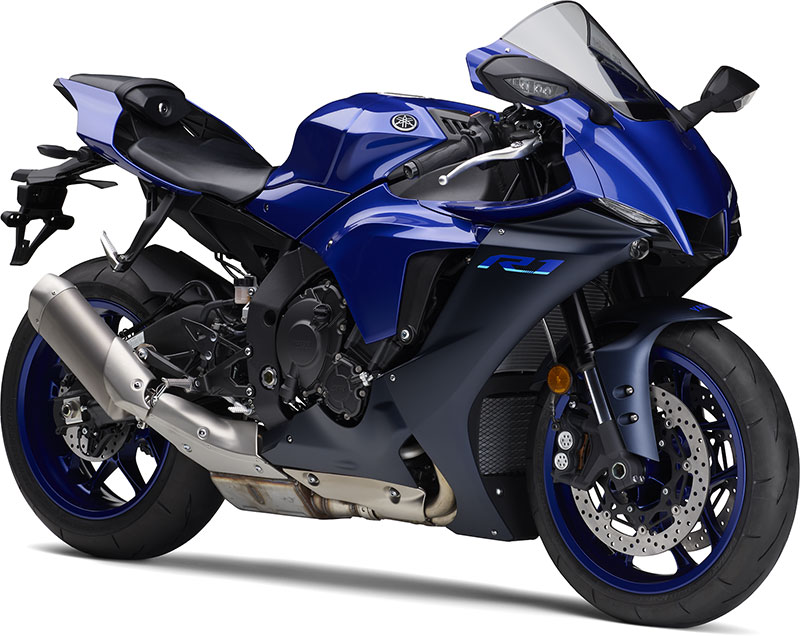
That moment when you're cresting the apex of a long bridge, wind buffeting you from the side, and the seemingly endless expanse of water stretches out below… it can be exhilarating, but also a little unnerving, right? Even seasoned riders can feel a twinge of apprehension.
Navigating bridges on a motorcycle demands a heightened awareness and a proactive approach. They often present unique challenges like gusty winds, changing road surfaces, and increased traffic density, all of which can significantly impact your bike's stability and handling. Mastering safe bridge-crossing techniques not only boosts your confidence but also dramatically reduces your risk of accidents, ensuring a safer and more enjoyable ride.
Here's a quick tip: Before entering a bridge, anticipate potential crosswinds by observing flags, trees, or even the movement of other vehicles. Slightly lean your bodyintothe wind, keeping your elbows relaxed and your grip light, to counteract its force. This simple adjustment can make a huge difference in maintaining control.
Understanding Bridge-Specific Hazards
Bridges aren’t just roadways suspended in the air; they are often exposed to elements and conditions that differ markedly from the roads leading up to them. Awareness of these specific hazards is the first step in mitigating risks.
Crosswinds: The Unseen Threat
Perhaps the most significant challenge on bridges is the potential for strong crosswinds. These gusts can be unpredictable and powerful, especially on long spans or in areas prone to high winds. Understanding how wind affects your motorcycle is crucial.
Aerodynamics Matter: Consider the profile of your motorcycle. A larger fairing can act like a sail, making you more susceptible to wind gusts. Rider Position: Your body position also impacts stability. A more tucked-in posture lowers your center of gravity and reduces the surface area exposed to the wind. Anticipate and React:Look for wind socks, flags, or the movement of trees to anticipate gusts. When encountering a crosswind, gently lean into it, keeping your grip relaxed and your elbows bent. Avoid sudden, jerky movements, as they can destabilize the bike. This is a key defensive motorcycle riding technique.
Changing Road Surfaces
Bridge surfaces can vary considerably. Steel grate bridges, expansion joints, and even uneven pavement can create challenging riding conditions.
Steel Grates: These surfaces can feel slippery, especially in wet conditions. Reduce your speed, maintain a straight line, and avoid sudden braking or acceleration. Expansion Joints: These gaps in the road surface can be jarring and potentially destabilizing. Approach them at a moderate speed and maintain a firm grip on the handlebars. Potholes and Debris:Bridges are often subject to wear and tear, leading to potholes and debris. Scan the road ahead and adjust your path to avoid these hazards. Regular motorcycle maintenance is essential to ensure your tires are in good condition to handle varying surfaces.
Increased Traffic Density
Bridges often act as bottlenecks, concentrating traffic flow. This increased density can lead to more frequent stops, starts, and lane changes, increasing the risk of accidents.
Maintain a Safe Following Distance: Give yourself ample space to react to sudden stops or changes in traffic flow. Be Aware of Your Surroundings: Constantly scan your mirrors and be aware of the vehicles around you. Use Your Signals:Communicate your intentions clearly by using your turn signals well in advance of lane changes or turns. Visibility is paramount, and using bright, functioning signals is a must.
Essential Motorcycle Riding Safety Tips for Bridges
Now that we understand the challenges, let’s dive into specific motorcycle riding safety tips that will help you navigate bridges with confidence and skill.
Pre-Ride Inspection: Ensuring Your Bike is Ready
Before any ride, but especially one involving bridge crossings, a thorough pre-ride inspection is essential. This includes checking your tires, brakes, lights, and fluids.
Tire Pressure: Correct tire pressure is crucial for optimal handling and stability. Check your owner's manual for the recommended pressure for your motorcycle. Brake Function: Ensure your brakes are responsive and that your brake pads have adequate thickness. Lights and Signals: Verify that all your lights, including headlights, taillights, and turn signals, are working properly. How to stay visible on a motorcycle is key to accident prevention. Fluid Levels: Check your oil, coolant, and brake fluid levels to ensure they are within the recommended ranges.
Adjusting Your Riding Style
Adapting your riding style to the specific conditions on a bridge is critical for safety.
Reduce Speed: Lowering your speed gives you more time to react to unexpected events, such as sudden gusts of wind or changes in traffic flow. Maintain a Steady Throttle: Avoid sudden acceleration or deceleration, as these can destabilize the bike, particularly in windy conditions or on slippery surfaces. Relax Your Grip: A tight grip on the handlebars can amplify the effects of wind gusts and make it harder to control the motorcycle. Keep your grip relaxed and your elbows bent. Look Ahead: Scan the road ahead for potential hazards, such as potholes, debris, or changes in traffic flow.
Protective Gear: Your First Line of Defense
Wearing appropriate protective gear is essential for motorcycle riding safety, especially on bridges where the risk of accidents may be higher.
Helmet: A properly fitted helmet is the most important piece of protective gear. Choose a helmet that meets or exceeds DOT (Department of Transportation) safety standards. Jacket and Pants: Wear a jacket and pants made of abrasion-resistant materials, such as leather or reinforced textile. Gloves: Protect your hands with durable gloves that provide good grip and protection. Boots: Wear sturdy boots that cover your ankles and provide good support. Protective gear for motorcyclists can significantly reduce the severity of injuries in the event of a crash.
Addressing Common Concerns
Let's tackle some frequently asked questions about motorcycle safety on bridges.
What’s the safest way to handle strong crosswinds on a bridge?
The safest approach involves a combination of anticipation, body positioning, and relaxed control.
1.Anticipate: Before entering the bridge, observe wind indicators like flags or trees.
2.Body Position: Gently leanintothe wind, maintaining a relaxed posture. Avoid overreacting.
3.Grip and Throttle: Maintain a light grip on the handlebars and avoid sudden throttle changes.
4.Speed: Reduce your speed to allow for more reaction time.
Remember, small, smooth adjustments are key. Overcorrecting can lead to instability. Motorcycle accident prevention is often about anticipating hazards and reacting smoothly.
How can I ride confidently in bad weather on a bridge?
Riding in bad weather, especially on a bridge, requires extra caution.
1.Check the Weather: Before your ride, check the weather forecast and be prepared for changing conditions.
2.Rain Gear: Wear waterproof gear to stay dry and comfortable. Wet clothing can lead to fatigue and reduced concentration.
3.Reduce Speed: Slow down significantly in wet or slippery conditions.
4.Increase Following Distance: Give yourself more space to react to sudden stops.
5.Avoid Sudden Movements: Make smooth, gradual changes in speed and direction.
6.Visibility: Ensure your lights are on and consider wearing bright, reflective clothing to increase your visibility to other drivers.
If conditions are too severe, consider postponing your ride. Your safety is always the priority.
What gear is most important for crash protection on a bridge?
While all protective gear is important, ahelmet is undeniably the most crucial. Head injuries are the leading cause of death and serious injury in motorcycle accidents. Ensure your helmet fits properly, is in good condition, and meets or exceeds DOT safety standards. Following closely behind are a sturdy abrasion-resistantjacket and pants, followed by quality glovesand boots.
Investing in good protective gear is an investment in your safety and well-being. Think of it as insurance – you hope you never need it, but you'll be glad you have it if you do.
Safe riding habits are built one ride at a time, one bridge at a time. By understanding the specific challenges presented by bridges and implementing these motorcycle riding safety tips, you can confidently navigate these structures and enjoy the freedom of the open road. Remember to always prioritize safety, stay alert, and adapt to changing conditions. With the right preparation and mindset, you can make every ride a safe and enjoyable adventure.