
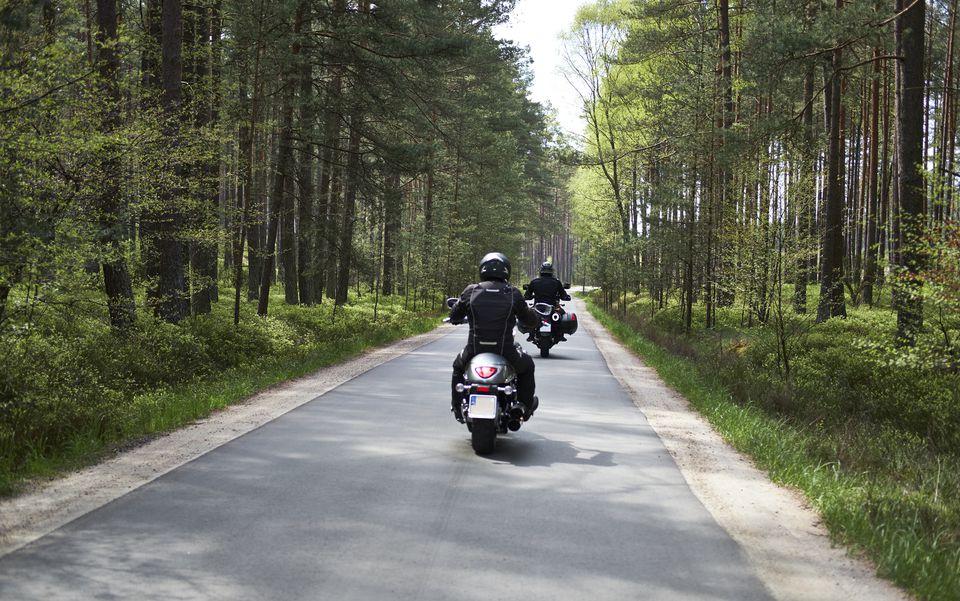
Picture this: miles of open road stretching before you, the sun on your face, and the rumble of your engine as you carve through breathtaking scenery. A motorcycle road trip is the ultimate escape, but it's also an endeavor that demands careful planning and preparation. Going in unprepared is like heading into the wilderness without a map – exciting, perhaps, but potentially disastrous.
Why is getting ready for a long ride so crucial? Because proper preparation significantly reduces risks. It transforms a potentially stressful and dangerous journey into an exhilarating and memorable adventure. It's about knowing your bike is in top condition, your gear is ready for anything, and most importantly,youare mentally and physically prepared to handle the challenges of the road. Here's a quick win to kick things off: Start a pre-ride checklist now. Include tire pressure, fluid levels, and brake function. Get in the habit of using it before every ride, long or short. You'll be surprised how much more confident you feel.
Bike Inspection: Your Pre-Trip Checklist
Before you even think about packing your bags, your motorcycle needs a thorough inspection. This isn’t just about convenience; it's about your safety. A well-maintained motorcycle is a reliable motorcycle, and reliability is key on a long trip.
Tires: Check tire pressure, tread depth, and sidewall condition. Underinflated tires can lead to poor handling and increased wear, while worn tires offer significantly reduced grip, especially in wet conditions. Use a quality tire pressure gauge and consult your motorcycle's manual for recommended pressure. Fluids: Check engine oil, coolant (if applicable), brake fluid, and clutch fluid (if applicable). Low fluid levels can cause serious engine damage or brake failure. Top off as needed, and if any fluids appear dirty or contaminated, consider a complete fluid change. Brakes: Inspect brake pads for wear and tear. Check the brake lines for leaks or damage. Test the brake levers and pedal for proper function and responsiveness. If your brakes feel spongy, it's time for a brake bleed. Don't underestimate the importance of reliable brakes — they're your primary safety net. Chain/Belt: For chain-driven motorcycles, check chain tension, lubrication, and wear. A loose or dry chain can snap, leaving you stranded. For belt-driven bikes, inspect the belt for cracks, fraying, or damage. Adjust or replace as needed. Lights: Ensure all lights are working correctly: headlights (high and low beam), taillights, brake lights, and turn signals. Visibility is crucial for motorcycle riding safety, especially on long trips where you may encounter varying weather conditions or ride at night. Clean your headlight lens for optimal brightness. Controls: Check the throttle, clutch lever, and brake levers for smooth operation. Lubricate cables as needed. Make sure your mirrors are properly adjusted for optimal visibility. Battery: Ensure your battery is fully charged and terminals are clean and secure. A weak battery can leave you stranded. If your battery is old, consider replacing it before your trip. Suspension: Inspect your forks and shocks for leaks or damage. Make sure your suspension is properly adjusted for your weight and the load you'll be carrying. Fasteners:Give your bike a once-over, checking for any loose or missing bolts, nuts, and screws. Vibration on long rides can loosen fasteners.
What if I’m not mechanically inclined?
If you’re not comfortable performing these checks yourself, take your motorcycle to a qualified mechanic for a pre-trip inspection. It’s a small investment that can save you a lot of trouble (and potentially a lot of money) down the road. They can identify potential issues you might miss and ensure your bike is in top running condition. Don’t hesitate to ask questions and learn about your bike’s specific needs.
Gear Up for Success: Choosing the Right Protective Gear
Protective gear is your first line of defense in a motorcycle accident. Investing in high-quality gear and wearing it consistently is one of the most important motorcycle riding safety tips you can follow.
Helmet: A properly fitting helmet is non-negotiable. Choose a helmet that meets DOT, ECE, or SNELL safety standards. Consider a full-face helmet for maximum protection. Ensure the visor is clean and scratch-free for optimal visibility. Replace your helmet every 5-7 years, or immediately after any impact. Jacket and Pants: Choose a motorcycle-specific jacket and pants made from abrasion-resistant materials like leather or reinforced textile. Look for armor in the shoulders, elbows, knees, and hips. Consider a jacket with vents for warm weather and a waterproof liner for rain. Gloves: Protect your hands with motorcycle-specific gloves. Choose gloves made from leather or abrasion-resistant textile with reinforced palms and knuckle protection. Boots: Wear sturdy motorcycle boots that provide ankle support and protection. Look for boots with reinforced toes and heels. Rain Gear: Be prepared for wet weather with waterproof rain gear. A full rain suit will keep you dry and comfortable, even in heavy rain. Eye Protection: Even if you wear a full-face helmet, consider wearing sunglasses or a tinted visor to reduce glare. Clear eye protection is essential for night riding.
What gear is most important for crash protection?
While all protective gear is important, a helmet is paramount. Head injuries are the leading cause of death and serious injury in motorcycle accidents. Following closely behind are proper gloves, boots with ankle support, and a durable jacket with armor. Prioritize these items when building your protective gear collection. Remember, protective gear for motorcyclists is an investment in your safety and well-being.
Route Planning: Know Where You're Going
Planning your route is more than just entering a destination into your GPS. It's about understanding the roads you'll be riding, anticipating potential hazards, and making sure you have adequate fuel and rest stops along the way.
Choose Your Roads: Consider the type of riding you enjoy and the capabilities of your motorcycle. Avoid busy highways if you prefer scenic backroads. Research road conditions and construction zones. Map It Out: Use a GPS device, smartphone app, or paper map to plan your route. Share your route with a friend or family member so they know where you're going. Fuel Stops: Identify fuel stops along your route, especially in remote areas. Calculate your motorcycle's fuel range and plan accordingly. Remember that fuel economy can decrease when riding at higher speeds or carrying a heavy load. Rest Stops: Plan for regular rest stops to avoid fatigue. Stop every couple of hours to stretch, hydrate, and take a break from riding. Contingency Plans: Be prepared for unexpected delays or detours. Have alternative routes in mind in case of road closures or bad weather. Weather: Check the weather forecast before you leave and monitor it throughout your trip. Be prepared for changing weather conditions and pack accordingly.
Essential Riding Skills: Sharpen Your Abilities
A motorcycle road trip puts your riding skills to the test. Now is the time to brush up on essential techniques and practice defensive motorcycle riding techniques.
Cornering: Practice smooth, controlled cornering techniques. Use proper body positioning and countersteering to navigate curves safely. Remember to scan ahead for potential hazards and adjust your speed accordingly. What’s the safest way to corner on a motorcycle? Start by slowing down before the turn, look through the turn, lean with the bike, and gradually accelerate as you exit. Braking: Practice emergency braking techniques. Learn how to use both front and rear brakes effectively. Maintain a safe following distance to allow for adequate braking time. Hazard Avoidance: Practice swerving and obstacle avoidance techniques. Scan the road ahead for potential hazards and be prepared to react quickly. Riding in Traffic: Practice riding in heavy traffic conditions. Maintain a safe following distance, be aware of your surroundings, and anticipate the actions of other drivers. Riding in Rain: Practice riding in wet conditions. Reduce your speed, increase your following distance, and avoid sudden movements. Be aware of reduced traction and adjust your riding style accordingly. How can I ride confidently in bad weather? The key is preparation and caution. Invest in good rain gear, ensure your tires have adequate tread, and reduce your speed significantly. Fatigue Management: Recognize the signs of fatigue and take breaks as needed. Avoid riding when you're tired or drowsy. Stay hydrated and eat regularly.
Packing Essentials: What to Bring on the Road
Packing for a motorcycle road trip requires careful consideration. You need to bring everything you need without overloading your motorcycle or compromising safety.
Tools and Repair Kit: Carry a basic tool kit that includes essential tools for roadside repairs. Include items like wrenches, screwdrivers, pliers, and a tire repair kit. Learn how to perform basic repairs, such as changing a flat tire or adjusting a chain. First-Aid Kit: Pack a comprehensive first-aid kit that includes bandages, antiseptic wipes, pain relievers, and any personal medications you require. Navigation and Communication: Bring a GPS device, smartphone, or paper map for navigation. Consider a communication device like a Bluetooth headset for communicating with other riders or making phone calls. Clothing: Pack appropriate clothing for the weather conditions you expect to encounter. Include layers that can be added or removed as needed. Personal Items: Pack personal items such as toiletries, sunscreen, insect repellent, and a small flashlight. Documentation: Bring your driver's license, motorcycle registration, and insurance card. Consider making copies of these documents and storing them in a separate location.
Mental and Physical Preparation: Ready Your Body and Mind
A motorcycle road trip can be physically and mentally demanding. Make sure you're in good condition before you hit the road.
Physical Fitness: Engage in regular exercise to improve your strength, endurance, and flexibility. Riding a motorcycle for long periods can be tiring, so being in good physical shape will help you stay comfortable and alert. Mental Focus: Practice mindfulness and focus techniques to improve your concentration and awareness. Avoid distractions while riding and stay focused on the road ahead. Rest and Sleep: Get adequate rest and sleep before your trip. Avoid riding when you're tired or drowsy. Hydration and Nutrition: Stay hydrated and eat regularly throughout your trip. Avoid sugary drinks and processed foods that can lead to energy crashes. Stress Management:Practice stress management techniques to cope with the challenges of the road. Take deep breaths, listen to calming music, or talk to a friend or family member.
Preparing for a motorcycle road trip takes time and effort, but the rewards are well worth it. By following these tips, you can ensure a safe, enjoyable, and memorable adventure. Remember, motorcycle accident prevention starts with preparation. Ride smart, ride safe, and enjoy the journey! With the right safe riding habits, every ride can be an exercise in freedom.