
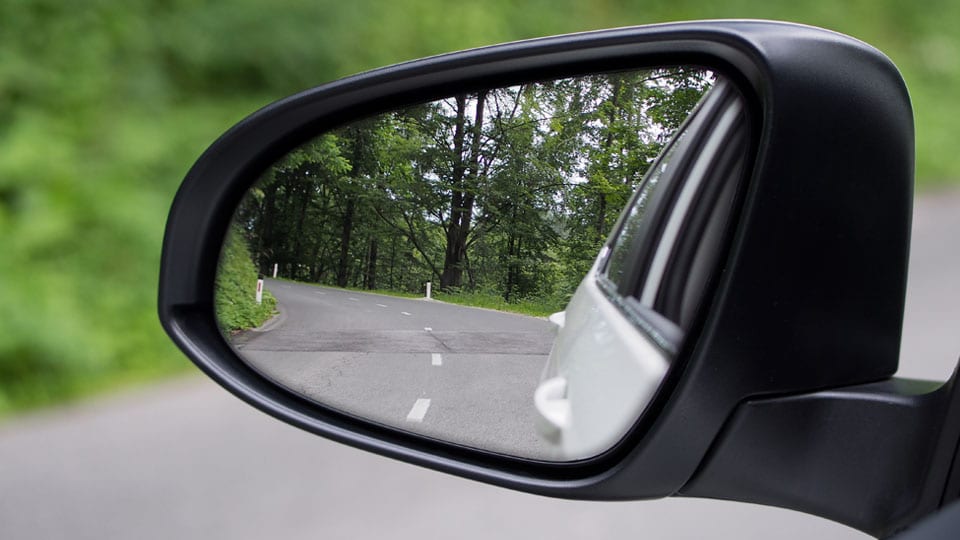
That heart-stopping moment when a car suddenly drifts into your lane – we've all been there, right? Mastering your mirrors can be the difference between a close call and a controlled reaction. It's not just about glancing; it's about developing a sixth sense for what's happening around you.
Effective mirror use is fundamental to motorcycle riding safety. It builds confidence because you're proactively scanning your environment, identifying potential hazards, and giving yourself valuable time to react. This constant awareness is a cornerstone of defensive motorcycle riding techniques and helps minimize your risk of motorcycle accidents.
Try this simple drill: every time you approach an intersection, consciously checkallyour mirrors – left, right, then center –beforeyou even start slowing down. This proactive scan gets you into the habit of gathering information early.
Setting Up Your Mirrors for Optimal Visibility
The first step towards effective mirror use isn't abouthowyou look, but aboutwhatyou see. Proper mirror adjustment is paramount. You need to minimize blind spots and maximize your field of vision. Many riders think they’ve adjusted their mirrors correctly, but a subtle tweak can make a world of difference.
The Goal: Your mirrors should primarily show the lanes beside you and behind you, with just a sliver of your shoulders visible. This helps you orient yourself within the view.
The Method: Sit on your motorcycle in your normal riding position. Enlist a friend to stand behind you and to the side. Have them slowly move outwards. Adjust your mirrors until you can just see them appear in your mirrors as they leave your peripheral vision. This minimizes overlap between your peripheral vision and your mirrors, covering more ground.
Double-Check: Once you've adjusted your mirrors, do a head check to either side. How much "disappears" when you rely only on your mirrors? This is your blind spot. Knowing its size is crucial. If the blind spot feels too large, consider adding aftermarket mirrors with a wider field of view, or even convex mirrors (though these take some getting used to).
It’s vital that you take the time to adjust your mirrors before every ride, as luggage, passengers, and even changes in posture can affect your view. Remember that effective mirror use is an active process, not a passive one.
How can I reduce blind spots while riding a motorcycle?
Reducing blind spots is a multi-faceted approach. Proper mirror adjustment is the first line of defense, as discussed above. However, even perfectly adjusted mirrors won’t eliminate them entirely. That's where head checks come in. Before changing lanes or making any maneuver that could put you in the path of another vehicle, physically turn your head and look. Don’t just flick your eyes – move your whole head so you get a clear view of your blind spot.
Another strategy is to be aware of other vehicles' blind spots. Assume that drivers cannot see you, especially in their blind spots. Avoid lingering in those areas. Speed up or slow down to move out of their blind spot as quickly as possible. This defensive riding tactic can significantly reduce your risk. Finally, consider investing in aftermarket mirrors designed to minimize blind spots, such as convex mirrors or bar-end mirrors.
Developing a Scanning Strategy
Once your mirrors are properly adjusted, the next step is developing a scanning strategy. This means consciously and regularly checking your mirrors, establishing a rhythm that becomes second nature. Don't just glance when you're about to change lanes; make it a habit to check your mirrors every few seconds.
The 3-Second Rule (Mirror Edition): Aim to check your mirrors every 3-5 seconds on straightaways. This keeps you constantly updated on the traffic situation around you.
The Before-Maneuver Check: Always check your mirrorsbeforeany maneuver – braking, accelerating, turning, or changing lanes. This gives you the information you need to make informed decisions.
The Anticipation Check: Scan your mirrors whenever the traffic situation changes – for example, when approaching an intersection, merging onto a highway, or encountering slowing traffic. Anticipate potential hazards and prepare accordingly.
The Head Check Confirmation: No matter how diligent you are with your mirrors,alwaysdo a quick head check before changing lanes or making a significant maneuver. This confirms that the lane is clear and eliminates any doubt.
Effective mirror use isn't just about seeing what's behind you; it's about building a mental map of your surroundings. By constantly scanning your mirrors, you create a dynamic picture of the traffic flow, allowing you to anticipate potential hazards and react accordingly. This skill is paramount for motorcycle accident prevention.
Understanding Different Mirror Views
Mirrors provide different perspectives depending on their placement and shape. Understanding these differences is key to interpreting the information they provide accurately.
Flat Mirrors: Most motorcycles come equipped with flat mirrors as standard. They offer a true-to-life representation of distance and speed, which makes judging gaps and closing speeds relatively easy. However, they typically have a narrower field of view compared to convex mirrors.
Convex Mirrors: Convex mirrors offer a wider field of view, allowing you to see more of what's happening around you. This is particularly helpful for minimizing blind spots. However, they distort distances, making objects appear farther away than they actually are. This can take some getting used to.
Bar-End Mirrors: These mirrors are mounted at the ends of your handlebars, offering a wider field of view and a more streamlined look. They can be particularly effective for reducing blind spots, as they position the mirrors further out from your body. However, they can also be more vulnerable to damage in a crash.
Experiment with different types of mirrors to find what works best for you and your riding style. Practice judging distances and speeds using each type of mirror until you feel comfortable and confident.
What gear is most important for crash protection?
While this article focuses on mirror use for safety, it's essential to remember the importance of protective gear for motorcyclists. A helmet is undoubtedly the most crucial piece of gear, providing vital protection for your head in the event of a crash. Look for a helmet that meets or exceeds DOT or ECE safety standards and fits snugly and comfortably.
Beyond a helmet, a motorcycle jacket and pants made of abrasion-resistant materials like leather or reinforced textiles are essential. These garments protect your skin from road rash in a slide. Gloves are also crucial for protecting your hands, which are often the first point of contact in a crash. Choose gloves with reinforced palms and knuckle protection. Finally, motorcycle boots that provide ankle and foot protection are essential for preventing injuries to your lower extremities.
Remember, no amount of gear can guarantee your safety in a crash, but it can significantly reduce the severity of your injuries. Always wear appropriate protective gear whenever you ride.
Adjusting to Night Riding and Low-Visibility Conditions
Riding at night or in low-visibility conditions presents unique challenges. Your mirrors become even more crucial in these situations, as your visibility is reduced. Here are some tips for adjusting your mirror use: Dimming Mirrors:Some motorcycles have mirrors with a dimming function to reduce glare from headlights behind you. Use this feature when riding at night to prevent blinding yourself. If your mirrors don't have a dimming function, consider investing in aftermarket mirrors that do.
Increased Scanning: Increase your scanning frequency at night or in low-visibility conditions. Check your mirrors more often to stay aware of the traffic around you. Remember, other drivers may have even more difficulty seeing you in these conditions.
High-Visibility Gear: Wear high-visibility gear, such as a bright-colored jacket or vest, to make yourself more visible to other drivers. This is especially important at night or in low-visibility conditions.
Defensive Riding: Practice defensive motorcycle riding techniques, such as maintaining a safe following distance and avoiding blind spots. Be extra cautious and anticipate potential hazards.
Remember, riding at night or in low-visibility conditions requires extra vigilance and attention. By adjusting your mirror use and employing defensive riding techniques, you can significantly reduce your risk.
How can I ride confidently in bad weather?
Riding in bad weather can be daunting, but with the right preparation and techniques, you can ride confidently and safely. First and foremost, ensure your motorcycle is properly maintained, with good tires and functioning brakes. Reduce your speed and increase your following distance to allow for increased braking distances. Avoid sudden maneuvers and be extra cautious when cornering.
In wet conditions, be aware of hydroplaning. Maintain a steady speed and avoid braking or accelerating suddenly. If you feel your tires losing traction, ease off the throttle and steer gently in the direction you want to go. Wear waterproof gear to stay dry and comfortable. This will help you maintain focus and concentration.
Finally, if the weather becomes too severe, don't hesitate to pull over and wait it out. Your safety is always the top priority. Remember to make smart decisions, and you can manage less-than-ideal riding conditions.
Mastering your mirrors is a journey, not a destination. With consistent practice and a commitment to safe riding habits, you'll develop the skills and confidence to navigate any road with greater awareness and control. Keep practicing, stay vigilant, and most importantly, enjoy the ride knowing you're equipped to handle whatever comes your way.