
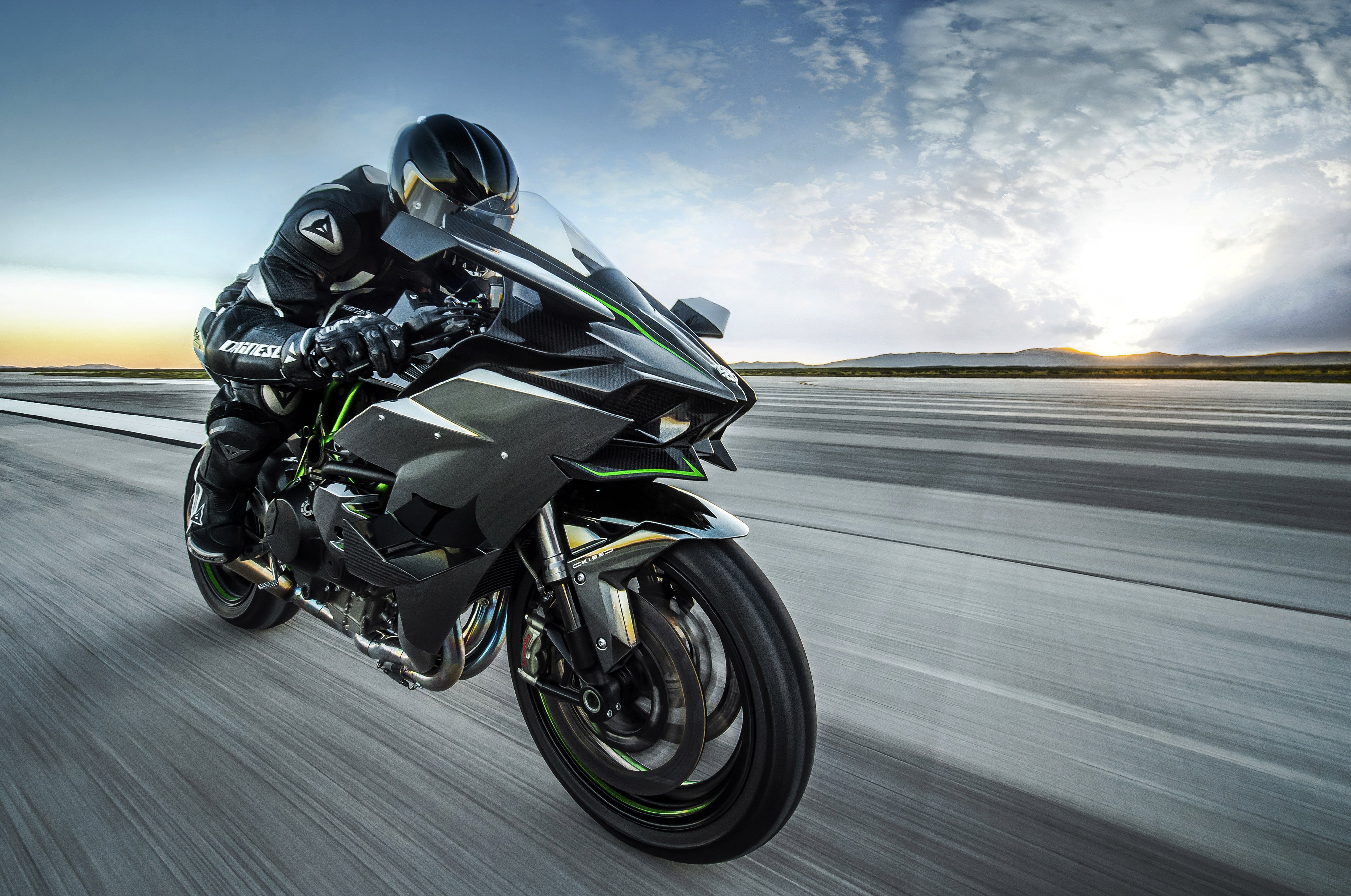
Picture this: a winding ribbon of asphalt slicing through rolling hills, sunlight dappling through the trees, the scent of wildflowers carried on the breeze. Rural riding offers a freedom unmatched, but it also demands a heightened awareness and a different skillset than navigating city streets.
Riding in rural areas presents unique challenges – unpredictable road conditions, wildlife encounters, and longer distances between services, all requiring a proactive approach to motorcycle safety. Mastering these environments will not only increase your confidence but also dramatically reduce your risk of accidents. Understanding the nuances of rural riding, adopting safe riding habits, and being prepared for the unexpected can transform your experience from apprehensive to exhilarating.
A crucial first step is to thoroughly inspect your motorcycle before each ride. Pay close attention to tire pressure, brake function, and fluid levels. Addressing minor issues before they become major problems can prevent breakdowns in remote areas where assistance may be limited.
Mastering the Rural Ride: Motorcycle Safety Tips
Rural roads offer breathtaking scenery and a sense of escape, but they also demand respect. Let’s explore some key strategies to help you navigate these environments safely and confidently.
Anticipate the Unexpected: Road Hazards and Wildlife
One of the biggest differences between city and rural riding is the potential for encountering unexpected hazards. Potholes, gravel patches, and uneven road surfaces are far more common in rural areas due to lower traffic volume and maintenance.
Stay Vigilant: Constantly scan the road ahead, paying close attention to the surface. Look for changes in texture or color that might indicate a hazard. Adjust Your Speed: Reduce your speed appropriately when approaching questionable road conditions. This gives you more time to react and maneuver safely. Practice Evasive Maneuvers:Regularly practice quick stops and swerving techniques in a controlled environment. These skills can be invaluable when faced with a sudden obstacle.
Wildlife is another significant risk in rural areas. Deer, livestock, and other animals often wander onto roads, particularly at dawn and dusk.
Be Extra Cautious at Dawn and Dusk: These are peak activity times for many animals. Scan the Roadside: Look for signs of animal presence, such as movement in the underbrush or eye shine. Use Your Horn: A short blast of your horn can startle animals and deter them from crossing the road. If You See an Animal, Slow Down: Don't assume the animal will stay put. Be prepared to stop or swerve safely.
These motorcycle riding safety tips emphasize the importance of being proactive and prepared for the unexpected, greatly enhancing your safety in rural environments.
What’s the Safest Way to Corner on a Motorcycle?
Cornering safely is a fundamental skill for any motorcyclist, but it's even more critical on the winding roads often found in rural areas. Here are some techniques to improve your cornering proficiency: Slow Down Before the Turn: Enter the corner at a speed that allows you to maintain control throughout the turn. Use Proper Body Positioning: Lean into the turn, keeping your head and eyes focused on the exit point. Maintain a Smooth Throttle: Avoid sudden acceleration or deceleration, which can upset the bike's balance. Counter-Steer Correctly: Apply gentle pressure to the handlebar in the direction you want to turn. Choose Your Line Wisely:Select a line through the corner that provides the best visibility and avoids hazards.
Practicing these techniques in a safe, controlled environment will build your confidence and improve your ability to navigate corners safely. Remember, smooth and controlled movements are key to successful cornering.
Gear Up for Safety and Visibility
Protective gear is essential for all motorcycle riding, but it's particularly important in rural areas where accidents may occur further from medical assistance. Investing in quality protective gear for motorcyclists can significantly reduce the severity of injuries in the event of a crash.
Helmet: A DOT-approved helmet is non-negotiable. Choose a helmet that fits properly and provides adequate coverage. Jacket and Pants: Look for abrasion-resistant materials like leather or reinforced textiles. Consider armor in the shoulders, elbows, and knees. Gloves: Protect your hands with sturdy gloves that provide good grip and dexterity. Boots: Wear sturdy boots that cover your ankles and provide good support. Eye Protection:Protect your eyes from wind, debris, and insects with a visor or goggles.
In addition to protective gear, visibility is crucial for motorcycle accident prevention, especially on rural roads where traffic may be less frequent.
Wear Bright Colors: Choose brightly colored clothing and gear to increase your visibility to other drivers. Use Reflective Tape: Add reflective tape to your clothing and motorcycle to enhance visibility at night. Keep Your Headlight On: Always ride with your headlight on, even during the day. Consider Auxiliary Lights: Adding auxiliary lights can further improve your visibility, especially in low-light conditions.
By prioritizing protective gear and visibility, you're significantly increasing your chances of staying safe on the road.
How Can I Ride Confidently in Bad Weather?
Rural areas can be particularly susceptible to sudden weather changes. Being prepared to ride in rain, wind, or fog is crucial for safe motorcycle riding.
Rain: Reduce your speed, increase your following distance, and avoid sudden braking or acceleration. Use smooth and deliberate movements. Ensure your tires have adequate tread depth for wet conditions. Wind: Lean into the wind and be prepared for gusts. Keep a firm grip on the handlebars and avoid sudden maneuvers. Be particularly cautious when crossing bridges or passing large vehicles. Fog:Slow down significantly and use your low beams. Increase your following distance and be prepared to stop. Consider using fog lights to improve visibility.
Practicing riding in different weather conditions in a controlled environment can help you build confidence and develop the skills necessary to handle challenging situations. Remember, knowing your limits and being willing to pull over and wait out the weather are signs of a responsible and experienced rider.
Plan Your Route and Stay Connected
Before embarking on a rural motorcycle ride, careful planning is essential. Longer distances between services and potential communication challenges make thorough preparation crucial.
Map Your Route: Study your route carefully and identify potential hazards, such as road construction or areas with high wildlife activity. Check the Weather Forecast: Be aware of the weather conditions along your route and be prepared for changes. Inform Someone of Your Plans: Let someone know your route and estimated time of arrival. Carry a Communication Device: A cell phone or satellite communication device can be invaluable in case of an emergency. However, be aware that cell service may be limited in some rural areas. Pack Essential Supplies:Carry a basic toolkit, first-aid kit, water, and snacks. Consider bringing a portable tire inflator and a spare tube.
Staying connected can also be crucial for safety.
Consider a Motorcycle Communication System: These systems allow you to communicate with other riders in your group or receive navigation instructions. Download Offline Maps: Download offline maps to your phone or GPS device in case you lose cell service.
Proper planning and communication can make a significant difference in your safety and peace of mind while riding in rural areas.
What Gear Is Most Important for Crash Protection?
While all protective gear is important, some items offer more critical protection than others.
Helmet: The helmet is undoubtedly the most important piece of gear. It protects your head from serious injury in the event of a crash. Always choose a DOT-approved helmet that fits properly. Jacket and Pants: Abrasion-resistant jackets and pants protect your skin from road rash, which can be a painful and debilitating injury. Choose materials like leather or reinforced textiles. Gloves: Your hands are often the first point of contact in a crash. Gloves protect your hands from abrasions, fractures, and other injuries. Boots: Boots provide ankle and foot support and protect against abrasions and impacts. Choose boots that cover your ankles and have a sturdy sole.
Investing in quality protective gear is an investment in your safety and well-being. Don't compromise on protection – choose gear that fits properly, provides adequate coverage, and is made from durable materials.
Embrace Defensive Riding Techniques
Defensive motorcycle riding techniques are crucial for anticipating and avoiding potential hazards. This involves being aware of your surroundings, predicting the actions of other drivers, and making safe decisions.
Maintain a Safe Following Distance: Allow yourself enough space to react to sudden changes in traffic or road conditions. Be Visible: Position yourself in the lane where you are most visible to other drivers. Avoid riding in blind spots. Use Your Signals: Signal your intentions clearly and well in advance. Be Aware of Blind Spots: Be aware of the blind spots of other vehicles and avoid lingering in these areas. Scan Your Mirrors Regularly: Check your mirrors frequently to be aware of the traffic around you. Assume Other Drivers Don't See You: Ride as if other drivers don't see you and be prepared to react accordingly.
Practicing defensive motorcycle riding techniques will make you a more proactive and safer rider. It's about anticipating potential hazards and making smart decisions to avoid accidents. It's one of the best motorcycle riding safety tips you can learn.
Remember, the open road is calling, and with the right knowledge and preparation, you can confidently answer that call. Prioritize your safety, embrace continuous learning, and never stop refining your skills. By adopting these safe riding habits, you'll not only enhance your enjoyment of motorcycle riding but also significantly reduce your risk of accidents. Keep the rubber side down, stay alert, and enjoy the ride!