
That familiar crunch of leaves under your tires… it sounds lovely when you're walking, but on a motorcycle, it can quickly become a nerve-wracking experience. One second you're enjoying the fall scenery, the next you're fighting for control as your rear tire slides unexpectedly.
Riding a motorcycle is already a dynamic dance between rider and machine. Add wet leaves into the mix, and that dance becomes significantly more challenging. Reduced traction, unpredictable surfaces, and obscured road hazards all contribute to increased risk. Understanding how to adapt your riding style and implement specific safety precautions can mean the difference between a thrilling ride and a trip to the emergency room. This knowledge boosts not only your safety, but also your confidence, allowing you to navigate autumn roads with greater awareness and control.
One immediate adjustment you can make is to significantly increase your following distance. Wet leaves dramatically reduce braking efficiency, so leaving ample space allows you more time to react to sudden stops or unexpected obstacles.
Understanding the Risks of Riding on Wet Leaves
Wet leaves are deceptively dangerous. They act like ball bearings under your tires, severely reducing grip. This is especially true when they are compacted and slick after a rainfall. The problem is compounded by the fact that leaves often obscure potholes, debris, and other road hazards, leaving you little to no time to react. Areas with heavy tree cover, especially near intersections or curves, become particularly treacherous. Motorcycle accident prevention starts with recognizing these risks and actively adjusting your riding strategy.
Consider that the peak season for falling leaves often coincides with shorter daylight hours and cooler temperatures. Reduced visibility and colder tires further compromise your motorcycle's handling. It's a perfect storm of conditions that demands heightened awareness and a proactive approach to safety.
What makes wet leaves so slippery?
The slipperiness comes from a combination of factors. First, the leaves themselves create a barrier between your tire and the asphalt. Second, when wet, the leaves release organic compounds that further reduce friction. Think of it like riding on a thin layer of oily soap. It’s not just water; it's a complex mixture designed to upset your bike.
How can I identify areas with wet leaves?
Look for areas with heavy tree cover, especially along roadsides and in shaded areas. Pay close attention to intersections, curves, and downhill sections where leaves tend to accumulate. Watch for changes in the road surface color or texture – wet leaves often create a dark, shiny sheen. Also, be aware that even if the main road is clear, side streets and driveways might be covered in leaves.
Defensive Riding Techniques for Leaf-Covered Roads
Defensive motorcycle riding techniques are paramount in challenging conditions. Anticipation, smooth inputs, and controlled speed are your greatest allies when navigating leaf-covered roads.
Slow Down: This is the most important advice. Reduce your speed significantly to allow more time to react and maintain control. A lower speed reduces the force of any sudden slides and gives you a greater chance of recovery.
Smooth Controls: Avoid sudden acceleration, braking, or steering inputs. Use smooth, deliberate movements to maintain stability. Choppy throttle control or jerky braking can easily upset the motorcycle's balance on a slippery surface.
Increase Following Distance: As mentioned earlier, leave plenty of space between you and the vehicle in front of you. This allows you more time to react to sudden stops or unexpected hazards.
Avoid Sudden Lane Changes: Changing lanes abruptly on wet leaves can be disastrous. If you need to change lanes, signal well in advance and make the maneuver gradually, ensuring you have adequate traction.
Stay Upright: Try to keep your motorcycle as upright as possible, especially when cornering. Leaning over too much reduces the contact patch of your tires, making you more susceptible to slipping.
Use Your Eyes: Scan the road ahead for potential hazards and plan your route accordingly. Look for patches of leaves, potholes, and other obstacles, and adjust your speed and trajectory to avoid them.
Be Predictable: Make your intentions clear to other drivers by using your signals and maintaining a consistent speed and lane position. This helps them anticipate your movements and avoid potential collisions.
By implementing these defensive riding techniques, you can significantly reduce your risk of accidents and improve your overall safety on leaf-covered roads. Remember, the key is to anticipate potential hazards, maintain smooth control, and give yourself plenty of time and space to react.
Gear Up for Safety
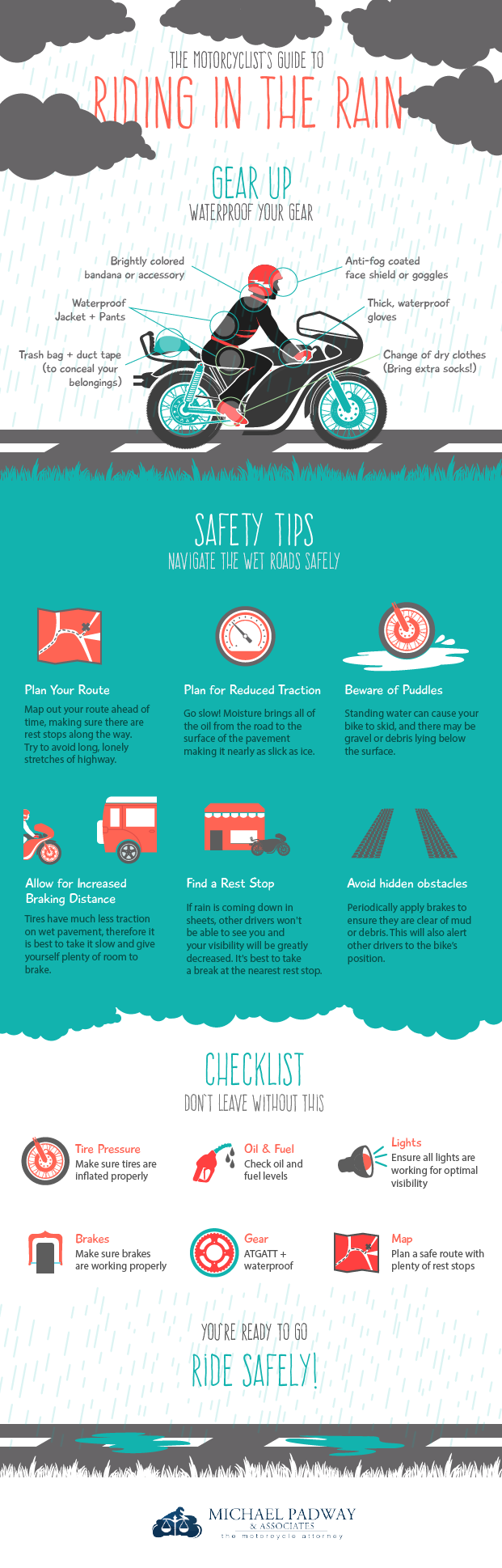
Protective gear for motorcyclists is essential regardless of the season, but it becomes even more critical when riding in challenging conditions. Proper gear not only protects you in the event of a crash but also enhances your comfort and visibility, contributing to overall safety.
Helmet: A full-face helmet is the best option for maximum protection. Ensure it fits properly and meets DOT, ECE, or Snell safety standards.
Jacket and Pants: Choose a riding jacket and pants made from abrasion-resistant materials such as leather or reinforced textile. Look for features like armor in the shoulders, elbows, and knees.
Gloves: Wear gloves that provide good grip and protection for your hands. Leather or textile gloves with reinforced palms are ideal.
Boots: Sturdy riding boots that cover your ankles are essential for protecting your feet and ankles in a crash. Look for boots with oil-resistant soles for better grip.
Visibility Gear: Wear brightly colored clothing or a reflective vest to increase your visibility to other drivers. Consider adding reflective tape to your helmet and motorcycle.
Rain Gear: If you anticipate riding in wet conditions, invest in a waterproof rain suit to keep you dry and comfortable. Wet clothing can quickly lead to hypothermia, which can impair your judgment and reaction time.
Choosing the right protective gear is a crucial aspect of motorcycle riding safety tips. It's an investment in your well-being that can make a significant difference in the event of an accident.
What gear is most important for crash protection?
A helmet is the single most important piece of gear for crash protection, followed closely by a riding jacket and pants with armor. Proper footwear and gloves are also essential for protecting your extremities.
How can I stay visible on a motorcycle, especially in low-light conditions?
Wear bright, highly visible clothing, such as a fluorescent jacket or vest. Add reflective tape to your helmet and motorcycle. Use your headlight and taillight at all times, even during the day. Consider adding auxiliary lights to your motorcycle to increase your visibility to other drivers.
Braking Safely on Wet Leaves
Braking is arguably the most critical skill when riding on wet leaves. A sudden, hard brake can easily lock up your wheels and cause a skid. Mastering gentle, progressive braking techniques is essential for maintaining control.
Use Both Brakes: Apply both the front and rear brakes simultaneously, using a gentle, progressive squeeze. Avoid grabbing the front brake abruptly, as this can easily cause the front wheel to lock up.
Engine Braking: Use engine braking to help slow down the motorcycle. Downshift gradually, allowing the engine to assist in slowing your speed.
ABS (Anti-lock Braking System): If your motorcycle is equipped with ABS, it will help prevent wheel lockup during braking. However, even with ABS, it's still important to brake smoothly and progressively.
Look Ahead: Scan the road ahead for potential hazards and anticipate your braking needs. This allows you to brake gradually and avoid sudden, hard stops.
Practice: Practice braking in a controlled environment, such as an empty parking lot, to get a feel for how your motorcycle behaves on slippery surfaces. This will help you develop the muscle memory and reflexes needed to brake safely in real-world situations.
Remember, the key to safe braking on wet leaves is to be smooth, progressive, and anticipatory. Avoid sudden inputs and allow your motorcycle to slow down gradually.
Motorcycle Maintenance for Fall Riding
Proper motorcycle maintenance is crucial for safe riding, especially as the seasons change. Ensuring your bike is in top condition helps prevent mechanical failures and enhances its handling in challenging conditions.
Tire Condition: Check your tires regularly for wear and tear. Ensure they have adequate tread depth and are properly inflated. Low tire pressure reduces grip and makes the motorcycle more susceptible to slipping.
Brake System: Inspect your brake pads and rotors for wear. Ensure the brake lines are in good condition and there are no leaks. Bleed the brakes to remove any air bubbles in the system.
Suspension: Check your suspension for proper operation. Ensure the forks and shocks are not leaking and the damping is properly adjusted. Worn suspension components can compromise the motorcycle's handling.
Lights: Ensure all your lights are working properly, including the headlight, taillight, brake light, and turn signals. Replace any burned-out bulbs immediately.
Chain/Belt: Inspect your chain or belt for wear and tear. Lubricate the chain regularly to ensure smooth operation. Adjust the chain tension as needed.
Fluids: Check the levels of all fluids, including engine oil, coolant, brake fluid, and clutch fluid. Top up as needed and replace fluids according to the manufacturer's recommendations.
By performing regular maintenance on your motorcycle, you can ensure it is in top condition for fall riding. This will help prevent mechanical failures and enhance its handling in challenging conditions.
Riding a motorcycle on roads covered with wet leaves requires a heightened level of awareness, skill, and preparation. By understanding the risks, implementing defensive riding techniques, gearing up properly, mastering safe braking, and maintaining your motorcycle, you can navigate autumn roads with greater safety and confidence. Ride smart, stay vigilant, and enjoy the beauty of the season while keeping yourself safe on the road.