
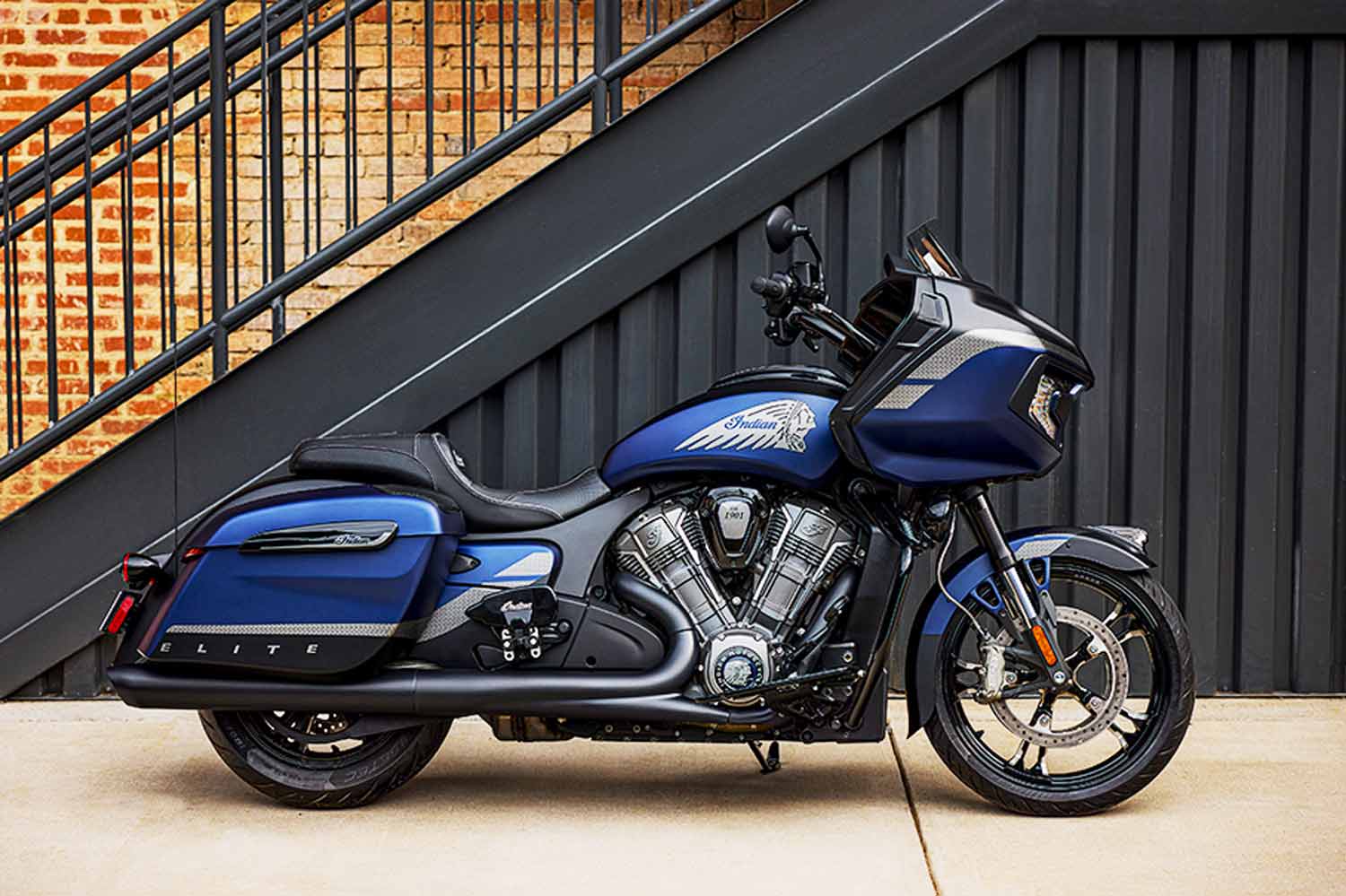
Ever felt that cold shiver of uncertainty as you ride head-first into a wall of fog? That feeling of the world shrinking to the space illuminated by your headlight? You're not alone. Fog can be one of the most challenging and unnerving conditions for any motorcyclist.
Riding in fog demands heightened awareness and a proactive approach to safety. It’s not just about seeing; it’s about being seen, anticipating hazards that are normally visible, and adapting your riding style to drastically reduced visibility. Mastering fog riding techniques will not only enhance your confidence but also significantly reduce your risk of accidents, keeping you safer on every journey.
One of the most immediate adjustments you can make is to slow down. Sounds obvious, right? But really think about it. Reduce your speed to a point where you can comfortably react to unexpected obstacles within your limited field of vision. This lower speed provides precious extra time to brake or maneuver safely.
Understanding Fog and Its Dangers
Fog is essentially a cloud at ground level, composed of tiny water droplets suspended in the air. This suspension reduces visibility, making it difficult to see other vehicles, pedestrians, road hazards, and even the road itself. The density of fog can vary greatly, from a light mist to a thick blanket that limits visibility to just a few feet.
The primary danger of riding in fog is reduced visibility. This means you have less time to react to potential hazards. Other dangers include: Reduced depth perception: Fog distorts your ability to judge distances, making it difficult to accurately assess the speed and position of other vehicles. Wet road surfaces: Fog often creates damp or wet road surfaces, reducing tire grip and increasing the risk of skidding. Increased moisture: Moisture can affect the motorcycle's electrical components and cause the visor to fog up internally. Other drivers: Other drivers may be driving too fast for the conditions.
How does fog affect motorcycle handling?
The combination of reduced visibility and potentially slick road surfaces significantly impacts motorcycle handling. Braking distances increase, cornering becomes more precarious, and overall control is diminished. The mental strain of constantly scanning for hazards also contributes to fatigue, further impairing your ability to react safely.
Essential Motorcycle Safety Tips for Foggy Conditions
Here’s a breakdown of crucial techniques and strategies to help you navigate foggy conditions with greater safety and confidence: Increase Your Visibility:This is paramount.
Headlight and Auxiliary Lights: Use your low beam headlight – high beams can reflect off the fog and reduce visibility even further. Consider investing in auxiliary lights, specifically designed for fog, which emit a wide, low beam that cuts through the fog better. Ensure all lights are clean and in good working order.
Reflective Gear: Wear brightly colored, reflective gear. A high-visibility jacket or vest can make a significant difference in how easily other drivers spot you. Reflective tape on your helmet and motorcycle can also enhance visibility from all angles. Maintain a Safe Following Distance: Increase your following distance significantly. The "two-second rule" is insufficient in fog; aim for at least four seconds, or even more depending on the density of the fog. This provides ample time to react if the vehicle in front of you brakes suddenly. Use Road Markings as a Guide: Follow lane markings carefully. They can serve as a visual guide when visibility is severely limited. Be extra cautious when changing lanes, as it's harder to judge the distance and speed of other vehicles. Listen Carefully: Fog can muffle sounds, but it can also amplify certain noises. Pay close attention to the sounds of other vehicles, especially trucks and buses, which can provide an early warning of their presence. Be Prepared to Stop: Keep your fingers lightly resting on the brake lever, ready to react quickly. If you need to stop, do so gradually and avoid sudden braking, which can cause a skid. Pull Over If Necessary: If the fog becomes too thick or you feel uncomfortable riding, pull over to a safe location, such as a rest area or parking lot. Wait for the fog to dissipate before continuing your journey. Communicate Your Intentions Clearly:Use your turn signals well in advance of any lane changes or turns. Make sure your brake light is functioning properly, and consider tapping it lightly to alert drivers behind you that you are slowing down.
What gear is most important for crash protection?
While all protective gear is important, several items become particularly crucial in foggy conditions. A full-face helmet provides the best protection against impacts and the elements. A properly fitted helmet also significantly reduces wind noise and improves concentration. Sturdy riding boots that provide ankle support are also essential for protection in case of a fall. Durable riding gloves that allow good grip on the handlebars provide vital control, especially in wet conditions. Finally, a protective riding jacket and pants made from abrasion-resistant materials offer crucial protection in the event of a slide or fall. Prioritize gear that is both protective and highly visible.
Defensive Motorcycle Riding Techniques in Fog
Beyond basic safety precautions, adopting defensive riding techniques is crucial for navigating fog effectively.
Anticipate the Unexpected: Assume that other drivers may not see you and be prepared for their mistakes. Scan the road ahead constantly, looking for any signs of potential hazards. Avoid Distractions: Turn off your music and put your phone away. Focus entirely on the task of riding safely in the fog. Stay Alert and Focused: Fog can be mentally taxing. Take frequent breaks to rest and stretch, especially on long rides. Fatigue impairs judgment and slows reaction time, making you more vulnerable to accidents. Be Aware of Your Surroundings: Pay attention to changes in the terrain, such as hills and curves, which can affect visibility and road conditions. Maintain a Smooth and Steady Pace: Avoid sudden acceleration or deceleration, as these can destabilize your motorcycle, especially on slick surfaces. Use Caution at Intersections: Approach intersections slowly and cautiously, as visibility may be limited. Be prepared to stop if necessary.
How can I ride confidently in bad weather?
Confidence in bad weather comes from a combination of preparation, knowledge, and experience. Start by ensuring your motorcycle is in good working order, with properly inflated tires and well-maintained brakes. Practice emergency braking and maneuvering techniques in a controlled environment to develop your skills. Study weather patterns and plan your routes accordingly, avoiding areas known for frequent fog or other hazards. Dress appropriately for the conditions, wearing waterproof and windproof gear to stay comfortable and focused. Gradually build your experience by riding in increasingly challenging conditions, starting with light rain or mist and progressing to heavier fog. Remember to always ride within your limits and prioritize safety above all else.
Maintaining Your Motorcycle for Foggy Conditions
Proper motorcycle maintenance is essential for safe riding in all conditions, but it becomes even more critical in fog.
Tire Condition: Ensure your tires have adequate tread depth and are properly inflated. Low tire pressure reduces grip, especially on wet surfaces. Brake System: Check your brake pads and rotors regularly, and ensure your brake fluid is fresh and at the correct level. Lighting: Inspect all your lights, including your headlight, taillight, brake light, and turn signals. Replace any burned-out bulbs immediately. Chain or Belt: Keep your chain or belt properly lubricated and adjusted. A worn or loose chain can affect handling and performance. Electrical System: Check your battery and charging system to ensure they are functioning properly. Fog can put extra strain on your electrical system, so it's important to make sure everything is in good condition. Visor and Windshield: Keep your visor and windshield clean and free of scratches. Consider using an anti-fog treatment to prevent them from fogging up.
What's the safest way to corner on a motorcycle?
Cornering safely on a motorcycle, especially in low-visibility conditions, requires a deliberate and controlled approach. Before entering the corner, slow down to a comfortable speed and choose your line. Look through the turn, focusing on where you want to go. Maintain a steady throttle and avoid sudden changes in speed or direction. Lean your body into the turn, keeping your motorcycle balanced and stable. If necessary, gently apply the brakes before entering the corner, but avoid braking while leaned over, as this can cause a loss of traction. Practice your cornering skills in a safe and controlled environment, gradually increasing your speed and lean angle as you become more confident.
Riding in fog presents unique challenges, but with the right preparation, techniques, and mindset, you can navigate these conditions safely and confidently. Remember to prioritize visibility, maintain a safe following distance, and ride defensively. By staying alert, focused, and adaptable, you can enjoy your motorcycle adventures, even when the fog rolls in. Ride safe out there!