
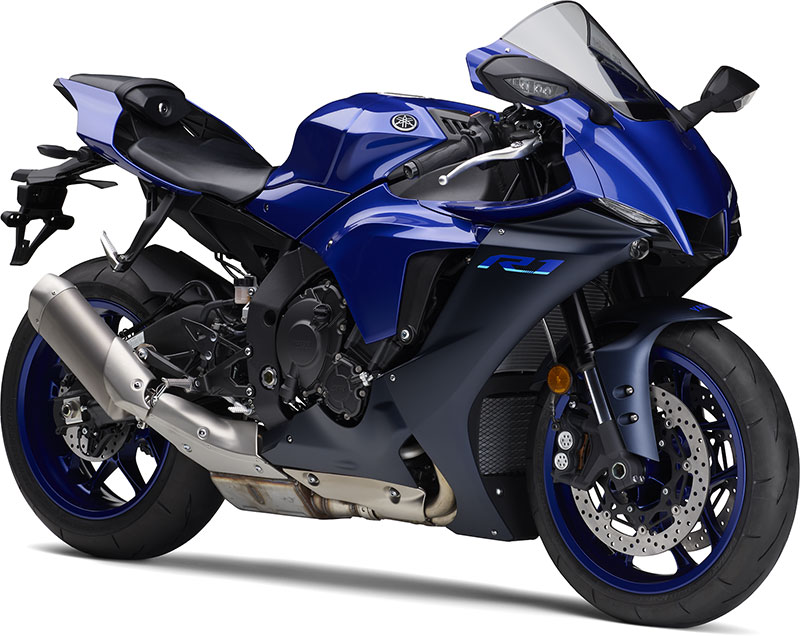
That moment when you first gripped the throttle on your own motorcycle, finally legal and licensed, is unforgettable. But the excitement also comes with a serious reality: staying safe out there.
Getting your motorcycle license is a huge accomplishment, marking the beginning of an incredible journey. But it's also just the first step. Now, it’s time to build solid riding habits, understand potential risks, and develop the skills to react confidently in any situation. Being a safe rider isn't about luck – it’s about knowledge, preparation, and consistent practice.
Before every ride, make it a habit to visualize the route ahead. Imagine potential hazards like cars pulling out, gravel on the road, or sudden stops. This mental preparation can drastically improve your reaction time when unexpected events occur.
Mastering the Fundamentals of Motorcycle Control
Motorcycle control is the foundation of safe riding. It’s not enough to just know how to operate the bike; you need to be able to do so smoothly, instinctively, and under pressure. This means practicing essential skills in a controlled environment until they become second nature.
What’s the safest way to corner on a motorcycle?
Cornering is one of the most dynamic aspects of riding, requiring a blend of technique and judgment. Start by approaching the corner at a safe speed, using the SEE principle: Search for potential hazards,Evaluateyour surroundings, and Executeyour plan. Shift down to the appropriate gear before entering the turn to maintain engine braking and smooth power delivery. As you lean into the corner, maintain a consistent throttle and look through the turn, focusing on your exit point. Avoid sudden braking or throttle changes mid-corner, as this can upset the bike's balance. Gradual and controlled inputs are key.
Another critical aspect of cornering safety is understanding your motorcycle's lean angle limitations. Over-leaning can cause your pegs or other parts to scrape the ground, potentially leading to a loss of control. Practice progressively leaning your bike in a safe environment, like an empty parking lot, to get a feel for its limits. Remember, if you're consistently scraping in corners, it might be time to adjust your riding style or consider a bike with higher ground clearance.
Effective braking techniques are also paramount. Practice using both your front and rear brakes together, applying firm but progressive pressure. Avoid locking up the wheels, as this can lead to skidding. If you feel the rear wheel locking up, ease off the brake slightly and then reapply it smoothly. Emergency braking drills should be a regular part of your practice routine. Find a safe, open area and practice braking hard from different speeds, focusing on maintaining control and minimizing stopping distance.
Protective Gear: Your First Line of Defense
Choosing the right protective gear is non-negotiable for motorcycle safety. It's the barrier between you and the road, and it can significantly reduce the severity of injuries in the event of an accident. Don't think of it as optional; think of it as essential equipment, like a helmet for football or pads for hockey.
What gear is most important for crash protection?
A full-face helmet certified to meet DOT, ECE, or Snell standards is the single most important piece of gear. It protects your head and face from impact, abrasion, and debris. Look for a helmet that fits snugly but comfortably, with no pressure points. A properly fitted helmet should not move around on your head when you shake it.
Beyond the helmet, a sturdy jacket and pants made of leather or abrasion-resistant synthetic materials like reinforced nylon are crucial. These provide protection for your torso, arms, and legs, which are particularly vulnerable in a crash. Look for jackets and pants with built-in armor in the shoulders, elbows, knees, and hips. These pads absorb impact energy and help to prevent fractures and other injuries.
Gloves are also essential for protecting your hands. Choose gloves made of leather or a durable synthetic material, with reinforced palms and knuckle protection. Your hands are often the first point of contact in a fall, and gloves can prevent serious abrasions and fractures.
Finally, wear sturdy riding boots that cover your ankles. Boots provide ankle support and protect your feet from impact and abrasion. Look for boots with reinforced toes and heels, as well as slip-resistant soles.
Consider investing in a back protector, either integrated into your jacket or worn separately. Back protectors can significantly reduce the risk of spinal injuries in a crash. And don't forget eye protection – even with a full-face helmet, it's a good idea to wear sunglasses or a tinted visor to protect your eyes from the sun, wind, and debris.
Developing Safe Riding Habits
Safe riding habits are the daily practices that minimize your risk on the road. They're about being proactive, aware, and constantly evaluating your surroundings. These habits are not innate; they must be consciously developed and consistently applied.
How can I ride confidently in bad weather?
Riding in bad weather requires extra caution and skill. Rain, wind, and cold temperatures can all significantly impact your motorcycle's handling and your own comfort and concentration.
In wet conditions, reduce your speed and increase your following distance. Wet pavement reduces traction, so you need more time to brake safely. Avoid sudden acceleration or braking, as this can easily cause your wheels to lose grip. Look out for puddles, oil slicks, and painted road markings, which can be particularly slippery when wet. Consider investing in rain gear that will keep you dry and comfortable. Wet clothing can quickly lead to hypothermia, which can impair your judgment and reaction time.
Wind can also be a major challenge for motorcyclists. Crosswinds can push you sideways, making it difficult to maintain your lane. Reduce your speed and lean into the wind to compensate for its force. Be particularly careful when passing large vehicles, as they can create sudden gusts of wind.
Cold temperatures can also affect your riding. Cold muscles and joints can reduce your reaction time, and cold hands can make it difficult to operate the controls. Wear warm layers of clothing, including gloves, a hat, and a neck warmer. Consider using heated grips or gloves to keep your hands warm.
Visibility is another crucial factor in bad weather. Make sure your headlights are on, and consider wearing bright, reflective clothing to increase your visibility to other drivers. Clean your visor frequently to ensure a clear view of the road ahead.
One of the most important things you can do to improve your motorcycle riding safety is to actively practice defensive motorcycle riding techniques. This means constantly scanning your surroundings, anticipating potential hazards, and planning your escape routes. Assume that other drivers don't see you, and always be prepared to react. Use your mirrors frequently, and check your blind spots before changing lanes or making turns. Maintain a safe following distance, and position yourself in your lane where you have the best visibility.
Staying Visible and Communicating Intentions
Being visible to other drivers is paramount to motorcycle accident prevention. Motorcycles are smaller and less conspicuous than cars, so it's crucial to take steps to make yourself more noticeable on the road. This involves both visual cues and clear communication of your intentions.
Wear bright, contrasting clothing, especially during the day. Fluorescent colors like yellow, orange, and green are highly visible, and reflective materials can make you stand out at night. Avoid wearing dark colors, which can make you blend into the background.
Use your headlight at all times, even during the day. Many motorcycles are equipped with automatic headlights, but if yours isn't, make sure to turn it on manually. Consider adding auxiliary lights to your motorcycle to further increase your visibility.
Position yourself in your lane where you are most visible to other drivers. Avoid riding in the center of the lane, where you may be obscured by other vehicles. Instead, ride slightly to the left or right, depending on the situation.
Use your turn signals well in advance of making a turn or changing lanes. This gives other drivers ample time to react to your intentions. Don't rely solely on your turn signals, however. Always check your mirrors and blind spots before making any maneuvers.
When approaching an intersection, make eye contact with other drivers to ensure that they see you. This can be difficult, but it's worth the effort. If you're not sure if a driver sees you, slow down and be prepared to stop.
Consider using hand signals to supplement your turn signals, especially in situations where your signals may be obscured. A simple hand signal can often be more effective than a turn signal in getting another driver's attention.
Use your horn sparingly, but don't be afraid to use it if you need to alert another driver to your presence. A quick blast of the horn can sometimes prevent an accident.
Remember, staying visible is an ongoing process. Constantly evaluate your surroundings and adjust your positioning and behavior as needed to maximize your visibility.
Continuous Learning and Skill Development
Motorcycle safety is not a one-time achievement; it's a continuous process of learning, practicing, and adapting. As you gain experience, you'll encounter new challenges and situations that require you to refine your skills and knowledge.
Consider taking advanced riding courses to improve your skills and learn new techniques. These courses can help you develop better cornering skills, emergency braking techniques, and hazard avoidance strategies. They can also help you build confidence and improve your overall riding ability.
Stay up-to-date on the latest motorcycle safety information and techniques. Read motorcycle magazines, watch instructional videos, and attend seminars and workshops. The more you learn, the better equipped you'll be to handle any situation on the road.
Practice your skills regularly, even when you're not riding. Visualize different scenarios and mentally rehearse your responses. This can help you react more quickly and effectively when faced with a real-world situation.
Ride with experienced riders and learn from their example. Observe their techniques, ask questions, and solicit feedback on your own riding. Riding with others can be a great way to improve your skills and learn new things.
Remember, motorcycle safety is a journey, not a destination. By continuously learning, practicing, and adapting, you can become a safer and more confident rider.
You've taken a significant step by getting your license and seeking out ways to enhance your safety. Keep practicing those fundamentals, invest in quality gear, and always ride with a mindful approach. The road is waiting, and with the right skills and attitude, you can enjoy countless safe and fulfilling rides.