
Imagine you're carving through a twisty mountain road, the sun shining, the engine humming. Then, unexpectedly, a deer darts out. Your heart leaps, and your hands instinctively reach for the brakes. In that split second, the effectiveness of your braking system could be the only thing standing between a thrilling ride and a potentially disastrous situation.
Motorcycle riding is all about control and confidence, and nothing impacts those more directly than your brakes. Regular brake checks aren't just a maintenance chore; they're a vital part of motorcycle accident prevention, ensuring you have maximum stopping power when you need it most. Ignoring this crucial aspect can lead to increased stopping distances, compromised handling, and ultimately, a heightened risk of accidents. One immediate thing you can do is get in the habit of testing your brakes lightly beforeeveryride, even just rolling your bike out of the garage.
Understanding Your Motorcycle's Brakes
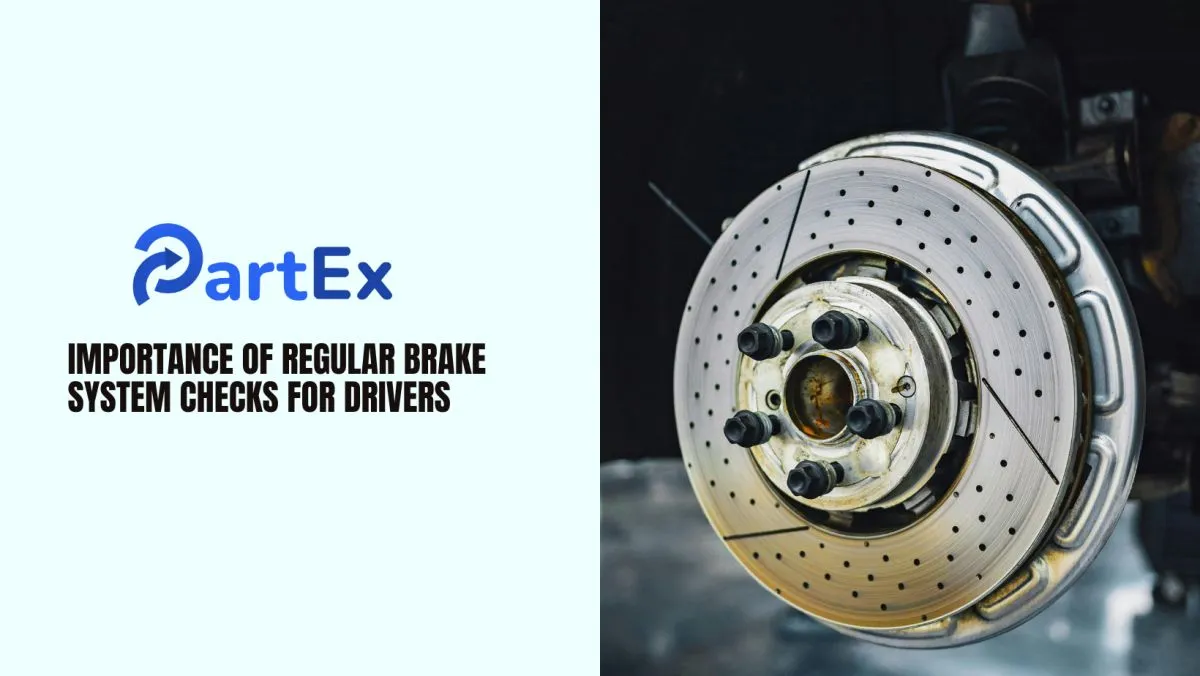
Your motorcycle's braking system is a marvel of engineering, but it’s also subject to wear and tear. Understanding the components and how they work is crucial for effective maintenance and identifying potential problems. Most modern motorcycles utilize disc brakes, consisting of rotors (discs) attached to the wheels and calipers that squeeze brake pads against these rotors to create friction and slow the motorcycle. Older models might still use drum brakes, which work with shoes pressing against the inside of a drum.
Regardless of the type, the system relies on hydraulic pressure generated by the master cylinder when you apply the brake lever or pedal. This pressure forces brake fluid through the lines to the calipers or wheel cylinders, activating the braking mechanism. The integrity of each component – from the master cylinder to the brake lines and pads – is critical for reliable stopping power.
What are the signs of worn brake pads?
Worn brake pads are one of the most common brake-related issues. Fortunately, they often provide telltale signs before they completely fail. Squealing or grinding noises when applying the brakes are a primary indicator. These sounds are often caused by the wear indicator, a small piece of metal designed to rub against the rotor when the pad material gets too thin. Reduced braking performance is another sign. If you notice you need to apply more pressure to achieve the same level of braking, it's time to inspect your pads. Visually inspecting the pads themselves will give you a clear picture of their condition. Most pads have grooves or indicators that show the minimum acceptable thickness. If the pad material is at or below this line, replacement is necessary. Remember, consistently riding with worn pads can damage the rotors, leading to more expensive repairs down the road.
The Regular Brake Check Routine
A comprehensive brake check should be a routine part of your motorcycle maintenance. This isn't just about waiting for something to go wrong; it's about proactively ensuring your brakes are in optimal condition for every ride. Here’s a breakdown of what to look for: Brake Lever and Pedal Feel: The first thing to assess is the feel of the brake lever and pedal. They should feel firm and responsive. Sponginess or excessive travel indicates air in the brake lines or a potential master cylinder issue. The lever should also have the correct amount of free play (usually a few millimeters) before engaging the brakes. Brake Lines and Hoses: Inspect the brake lines and hoses for cracks, leaks, or bulges. These are signs of deterioration and can lead to brake failure. Pay close attention to the connections at the master cylinder, calipers, and any joints in the lines. Any signs of fluid leakage warrant immediate attention. Steel-braided brake lines are a worthwhile upgrade, as they resist expansion under pressure, providing a firmer and more consistent brake feel. Brake Pads and Rotors: As mentioned earlier, visually inspect the brake pads for wear. Check the rotors for scoring, cracks, or excessive rust. Minor scoring is normal, but deep grooves or cracks indicate the rotor needs to be replaced. Also, measure the rotor thickness with a micrometer to ensure it meets the manufacturer's minimum specification. Brake Fluid: Brake fluid is hygroscopic, meaning it absorbs moisture from the air. This moisture reduces the fluid's boiling point, which can lead to brake fade (loss of braking power) under heavy use. Check the brake fluid level in the reservoir. It should be between the minimum and maximum markings. The fluid should also be clear and free of contaminants. Dark or murky fluid indicates it's time for a brake fluid flush. Calipers:Examine the calipers for leaks around the pistons. Make sure the calipers are properly mounted and that the brake pads move freely within them. Sticky calipers can cause uneven brake wear and reduced performance.
How often should I replace my brake fluid?
Brake fluid should be replaced every one to two years, regardless of mileage. As mentioned earlier, brake fluid absorbs moisture, which compromises its performance. Over time, this moisture can corrode internal brake components, leading to expensive repairs. Regular brake fluid flushes are a relatively inexpensive way to maintain optimal braking performance and prevent costly damage. Using a quality brake fluid that meets the manufacturer's specifications is crucial. Consider using DOT 4 brake fluid, even if DOT 3 is specified, as it generally has a higher boiling point. Always follow the manufacturer's recommendations for brake fluid type and replacement intervals. This information can typically be found in your motorcycle's owner's manual.
Addressing Brake Problems
Identifying a brake problem is only half the battle; knowing how to address it is equally important. Some issues, like replacing brake pads or flushing brake fluid, can be tackled by experienced DIY mechanics. However, more complex problems, such as master cylinder or caliper rebuilds, are best left to qualified professionals.
Replacing Brake Pads: Replacing brake pads is a straightforward task that can significantly improve braking performance. Start by removing the caliper from the rotor. Then, remove the old pads and install the new ones, ensuring they are properly seated. Clean the caliper pistons and lubricate them with a silicone-based grease before pushing them back into the caliper. Finally, reinstall the caliper and pump the brake lever or pedal until the pads are fully engaged. Always follow the manufacturer's instructions for pad replacement and use the correct torque specifications for all fasteners. Flushing Brake Fluid: Flushing brake fluid removes old, contaminated fluid and replaces it with fresh fluid. This requires a bleeding tool or a helper to pump the brake lever or pedal while you open and close the bleeder valve on the caliper. Start by removing the old fluid from the reservoir. Then, add fresh fluid and bleed each caliper until clear, uncontaminated fluid flows out. Be sure to keep the reservoir topped up with fluid throughout the process to prevent air from entering the system. Work from the caliper furthest from the master cylinder to the closest. Seeking Professional Help:If you're uncomfortable performing brake repairs yourself, or if you encounter a problem beyond your skill level, don't hesitate to seek professional help. A qualified motorcycle mechanic has the expertise and tools to diagnose and repair complex brake issues safely and effectively. Attempting to repair brakes without the proper knowledge and tools can be dangerous and could lead to brake failure.
What's the difference between ABS and linked brakes?
ABS (Anti-lock Braking System) and linked brakes are both designed to enhance motorcycle safety, but they function differently. ABS prevents the wheels from locking up during hard braking, allowing the rider to maintain steering control. It uses sensors to detect when a wheel is about to lock and modulates the brake pressure accordingly. Linked brakes, on the other hand, distribute braking force between the front and rear wheels when either the front or rear brake is applied. This helps to stabilize the motorcycle and prevent wheel lockup. Some motorcycles feature both ABS and linked brakes, providing the highest level of braking safety. If your motorcycle is equipped with ABS, it's crucial to ensure the system is functioning correctly. This may involve checking the ABS sensors and performing a diagnostic test.
Safe Riding Habits and Brake Awareness
Regular brake checks are just one piece of the puzzle. Safe riding habits and brake awareness are equally important for preventing accidents and staying safe on the road. Defensive motorcycle riding techniques, anticipating potential hazards, and maintaining a safe following distance are all crucial for giving yourself enough time to react and brake effectively.
Practice emergency braking techniques in a safe, controlled environment. This will help you develop muscle memory and react instinctively in critical situations. Focus on using both the front and rear brakes effectively, modulating the pressure to avoid wheel lockup. Remember, the front brake provides the majority of your stopping power, but the rear brake can help to stabilize the motorcycle. Pay attention to road conditions and adjust your braking accordingly. Wet or slippery surfaces require more braking distance and a gentler touch.
Prioritizing motorcycle riding safety tips goes beyond just maintaining your brakes; it's about creating a holistic approach to risk management that considers your skills, your machine, and your environment. By incorporating safe riding habits and regularly checking your brakes, you're investing in your safety and ensuring you're ready for anything the road throws your way.
Your dedication to preventative maintenance and honing your safe riding habits empowers you to confidently embrace every journey. Keep those brakes in top shape, stay alert, and enjoy the ride, knowing you're equipped to handle whatever comes your way.