
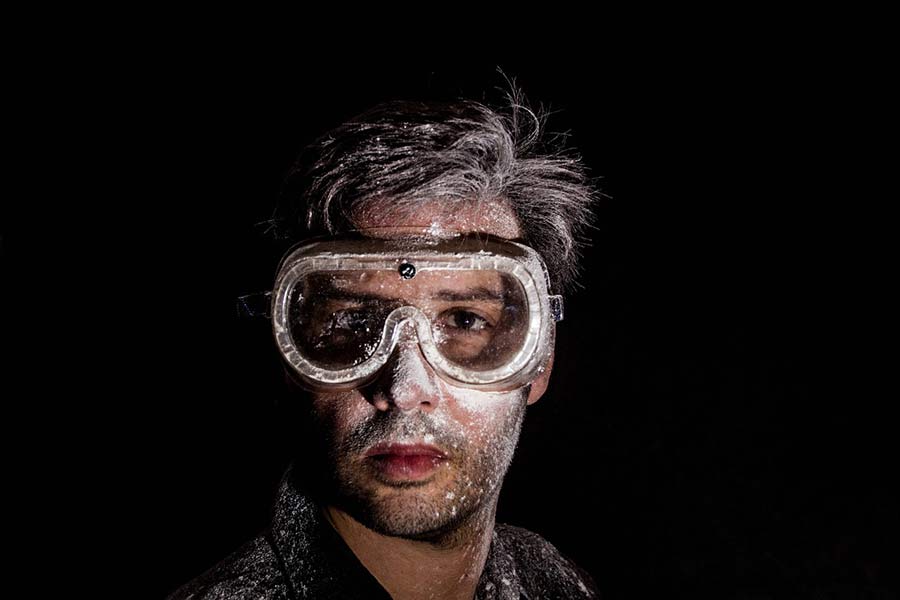
Imagine the sting of a bee hitting your open eye at 60 mph. Or worse, a small rock kicked up by a truck in front of you. That sudden impact, even from something tiny, can be enough to cause you to lose control of your bike in a split second.
Protecting your eyes isn't just about comfort; it’s a critical element of motorcycle riding safety. Clear vision is essential for making split-second decisions, identifying hazards, and reacting appropriately to changing road conditions. Without proper eye protection, you’re not just risking discomfort – you're significantly increasing your risk of an accident. That's why prioritizing good eye protection is one of the smartest things you can do for yourself as a rider.
Here’s a simple, immediate strategy: beforeeveryride, take a moment to inspect your eye protection. Check for scratches, cracks, or any damage that could impair your vision. A small imperfection can become a major distraction, especially in bright sunlight or at night. Replace damaged eye protection immediately.
The Invisible Danger: Why Eye Protection Matters
It’s easy to overlook something as simple as eye protection, especially on a short, familiar ride. But the truth is, the dangers to your eyes on a motorcycle are constant and varied. We're not just talking about large objects like birds or debris; even wind itself can cause serious problems.
Prolonged exposure to wind dries out your eyes, leading to fatigue, blurred vision, and increased sensitivity to light. This can significantly impact your reaction time and ability to focus on the road. Add in the potential for dust, dirt, insects, and even rain, and you've got a recipe for disaster if your eyes aren’t properly shielded. Protecting your eyes protects your concentration, allowing you to practice safe riding habits.
Investing in quality eye protection isn't just about avoiding discomfort; it's about maintaining optimal vision and focus, two things that can be the difference between a safe ride and a trip to the emergency room. Considering the relatively low cost of good eye protection compared to the potential consequences of an accident, it’s a no-brainer.
What Kind of Eye Protection Should I Use?
The most common types of eye protection for motorcyclists include full-face helmets with integrated visors, modular helmets with visors, open-face helmets with goggles or face shields, and standalone motorcycle-specific eyewear like glasses or goggles.
Full-Face Helmets: Offer the best overall protection because the integrated visor provides a complete seal against the elements. Look for visors that are scratch-resistant, anti-fog, and offer UV protection. Ensure the visor is easy to open and close, even with gloves on.
Modular Helmets: Offer similar protection to full-face helmets, but with the added convenience of being able to flip up the chin bar. Make sure the visor seals properly when the helmet is closed and that the locking mechanism is secure.
Open-Face Helmets: Require additional eye protection in the form of goggles or a face shield. Choose goggles that fit snugly against your face to prevent wind and debris from entering. Ensure the lenses are clear and free of distortion. A face shield should be scratch-resistant and cover your entire face.
Motorcycle-Specific Eyewear: Glasses or goggles designed for motorcycle riding offer impact resistance, UV protection, and a secure fit. Look for lenses that are shatterproof and frames that are comfortable to wear for extended periods. Avoid wearing regular sunglasses, as they may not provide adequate protection in the event of an accident.
No matter which type you choose, ensure it meets or exceeds DOT (Department of Transportation) or ECE (Economic Commission for Europe) safety standards. Don't skimp on quality; your vision is worth the investment.
Choosing the Right Lens for the Right Conditions
Having the right eye protection is just the first step. Equally important is selecting the appropriate lens tint for the riding conditions. A clear lens might be perfect for nighttime riding, but completely inadequate during a bright, sunny day.
Different lens tints offer varying levels of light transmission and contrast enhancement. Understanding how each type performs can significantly improve your visibility and reduce eye strain. Think about where and when you ride most often, and then choose your lenses accordingly. Being prepared for changing light is a core aspect of defensive motorcycle riding techniques.
Clear Lenses: Ideal for nighttime riding or low-light conditions. They offer maximum light transmission and don't distort colors.
Tinted Lenses: Reduce glare and eye strain in bright sunlight. Gray and brown tints are good all-around choices, while yellow or amber tints can enhance contrast in hazy or foggy conditions.
Mirrored Lenses: Reflect sunlight and reduce glare, making them a good choice for very bright conditions. However, they can be less effective in low light.
Photochromic Lenses: Automatically adjust their tint based on the amount of light. They’re a convenient option for riders who frequently encounter changing light conditions, but they may not react quickly enough for sudden changes in light, such as when entering a tunnel.
Consider investing in multiple lenses or a photochromic option to be prepared for any riding situation. Always carry a spare clear lens in case you get caught out after dark.
How Can I Ride Confidently in Bad Weather?
Riding in the rain or fog presents unique challenges to visibility. Water droplets on your visor can distort your vision, while fog can reduce visibility to near zero. Proper preparation and technique can make a big difference in these conditions.
Use an Anti-Fog Treatment: Apply an anti-fog coating to the inside of your visor or goggles to prevent condensation from forming. Reapply regularly, as the coating can wear off over time. Choose a Rain-X Type Product: Rain-repellent treatments can help water bead up and roll off your visor, improving visibility in wet conditions. Slightly Open Your Visor: In very humid conditions, slightly opening your visor can allow for better airflow and prevent fogging. Be aware that this may also allow rain to enter. Slow Down and Increase Following Distance: Reduce your speed and increase the distance between you and the vehicle in front of you to give yourself more time to react to hazards. Avoid Riding at Night in the Rain:Nighttime riding in the rain is particularly dangerous due to reduced visibility and increased glare from headlights. If possible, postpone your trip until the weather improves.
Remember, even the best eye protection can’t completely eliminate the challenges of riding in bad weather. If conditions become too hazardous, pull over to a safe location and wait for the weather to improve. No ride is worth risking your safety.
Beyond Protection: The Style Factor
While safety is paramount, let's be honest: style matters too. The good news is that you don't have to sacrifice looks for protection. There’s a huge variety of motorcycle-specific eyewear available that combines top-notch safety features with stylish designs.
Choose eye protection that not only fits well and provides adequate protection but also complements your riding gear and personal style. Whether you prefer a classic aviator look, a sleek modern design, or something in between, there's an option out there for you. And remember, comfortable gear leads to more focus on the road.
Consider these factors when choosing stylish and safe eye protection: Frame Material: Frames made from durable materials like nylon or polycarbonate offer good impact resistance and can withstand the rigors of motorcycle riding. Lens Shape: Choose a lens shape that provides good coverage and doesn't obstruct your peripheral vision. Color and Finish: Select a color and finish that complements your helmet and riding gear. Matte finishes can reduce glare, while bright colors can add a touch of personality. Fit and Comfort: Ensure the eyewear fits snugly and comfortably without pinching or slipping. Adjustable nose pads and temple arms can help you achieve a perfect fit.
Remember, the best eye protection is the one you’ll actually wear. If you like the way it looks and feels, you're more likely to wear it consistently, which means you'll be better protected on every ride.
What Gear is Most Important for Crash Protection?
While eye protection is crucial, it's just one piece of the puzzle when it comes to crash protection. A comprehensive approach to safety gear includes a helmet, jacket, gloves, pants, and boots. Each of these items plays a vital role in protecting you from injury in the event of an accident.
Helmet: The most important piece of safety gear. Choose a helmet that meets or exceeds DOT or ECE safety standards and fits snugly and comfortably. Jacket: A motorcycle jacket should be made from abrasion-resistant materials like leather or reinforced textile. Look for jackets with armor in the shoulders, elbows, and back. Gloves: Protect your hands from abrasion and impact. Choose gloves made from leather or a durable synthetic material with reinforced palms and knuckle protection. Pants: Motorcycle pants should be made from abrasion-resistant materials and offer protection for your hips and knees. Leather or textile pants with armor are good options. Boots:Protect your feet and ankles from injury. Choose boots that cover your ankles and have reinforced toes and heels.
Don't underestimate the importance of any of these items. Wearing the right gear can significantly reduce your risk of serious injury in a motorcycle accident. Remember, motorcycle riding safety tips are about layering protection to minimize risk.
Taking care of your eyes means taking care of yourself as a rider. Choosing and using the right eye protection will keep you seeing clearly and reacting quickly to everything the road throws your way, making every ride safer and more enjoyable. So gear up, focus on the ride, and enjoy the freedom of the open road, knowing you've taken a critical step to protect your vision and your safety.