
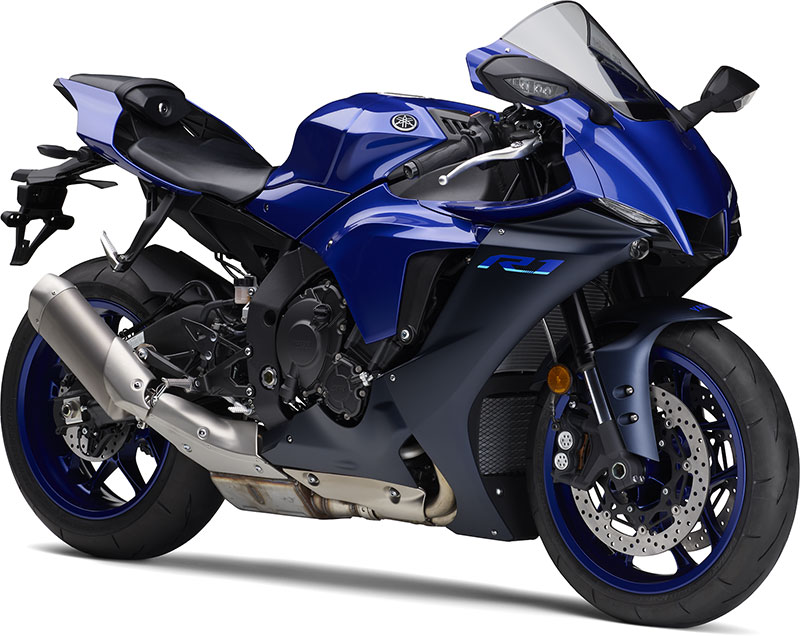
That early morning sun glinting off the chrome… it’s a beautiful sight, promising a fantastic ride. But let’s be honest, those dawn patrols can also be a little unnerving. The roads are quieter, sure, but they can also be slick with dew, and visibility isn't always perfect. You want to embrace the open road without white-knuckle anxiety.
Early morning motorcycle rides demand extra vigilance. The lower light, potential for unexpected hazards like wildlife, and the simple fact that other drivers might still be waking up, all contribute to a higher risk scenario. Prioritizing motorcycle riding safety tips ensures you can enjoy the sunrise without compromise, building confidence and promoting overall road awareness. Taking a few extra steps can make all the difference.
One immediate strategy you can implement is to thoroughly check your motorcycle's lights – headlights, taillights, and turn signals –beforeevery early morning ride. Even if they seemed fine yesterday, confirm they're functioning properly. This simple check significantly enhances your visibility to other road users, making them aware of your presence and reducing the risk of an accident.
The Importance of Visibility
Visibility is paramount when the sun is just peeking over the horizon. The low-angle light can create glare, making it difficult for other drivers to see you. And while you might think a quiet road is a safe road, it can also lead to complacency among car drivers, who may not be actively scanning for motorcycles.
Investing in bright, high-visibility gear is a crucial aspect of defensive motorcycle riding techniques. Think beyond just a bright-colored jacket. Consider retro-reflective tape on your helmet, jacket, and even your motorcycle. The more reflective surfaces you have, the better you'll stand out in low-light conditions.
What color is the safest for motorcycle gear?
While personal preference plays a role, fluorescent colors like yellow, orange, and green are generally considered the most visible in low-light conditions. These colors stand out against most backgrounds, increasing your chances of being seen by other drivers. However, simply wearing a bright color isn't enough. Make sure your gear is also clean and free of dirt, which can reduce its reflectivity.
How can I make my motorcycle more visible?
Beyond your gear, consider adding auxiliary lighting to your motorcycle. LED driving lights or fog lights can significantly enhance your visibility, especially in foggy or misty conditions. Additionally, ensure your headlight is properly adjusted and clean. A dirty or misaligned headlight can reduce its effectiveness, making it harder for other drivers to see you. Some riders also choose to add reflective stickers to their motorcycles for enhanced visibility at night.
Dealing with Early Morning Road Hazards
Early morning roads often present unique challenges. Dew, frost, and even lingering moisture from overnight rain can make surfaces slick, especially in shaded areas. Combine this with the potential for unexpected wildlife encounters, and you have a recipe for a potentially dangerous situation.
Adjusting your riding style for these conditions is key. Reduce your speed, increase your following distance, and avoid sudden maneuvers. Smooth, controlled inputs are crucial for maintaining traction and stability on potentially slippery surfaces. Scanning the road ahead for hazards like potholes, debris, and wildlife is essential. Remember that deer, in particular, are often most active at dawn and dusk.
What's the safest way to corner on a motorcycle in wet conditions?
The safest way to corner on a motorcycle in wet conditions is to approach the turn with reduced speed and a smooth, deliberate lean. Avoid braking or accelerating abruptly while leaned over, as this can easily upset the bike's balance and lead to a loss of traction. Instead, maintain a constant throttle and gently steer the motorcycle through the turn. Look through the turn and focus on your exit point. If you encounter a slippery patch mid-corner, try to maintain your composure and avoid any sudden movements. Gradually reduce your lean angle if necessary and focus on regaining traction.
The Importance of Protective Gear for Motorcyclists
While visibility is crucial, protective gear is your last line of defense in the event of a motorcycle accident. Don't compromise on quality or fit. A full-face helmet is always recommended, as it provides the most comprehensive protection for your head and face. Ensure your helmet meets or exceeds DOT or ECE safety standards.
In addition to a helmet, wear a motorcycle-specific jacket and pants made from abrasion-resistant materials like leather or reinforced textiles. Gloves and boots are also essential for protecting your hands and feet. Consider investing in armor for your shoulders, elbows, knees, and hips. This armor can significantly reduce the severity of injuries in a crash.
What gear is most important for crash protection?
While all protective gear is important, the helmet is arguably the most crucial piece of equipment for crash protection. Head injuries are a leading cause of death and disability in motorcycle accidents. A properly fitted and well-maintained helmet can significantly reduce your risk of serious head trauma. After the helmet, a motorcycle-specific jacket and pants offer vital abrasion resistance, protecting your skin from road rash. Gloves and boots complete the ensemble, shielding your extremities from impact and abrasion.
Staying Alert and Focused
Early morning rides can be particularly challenging in terms of alertness. You might be tempted to hit the road before you're fully awake, but this can significantly impair your reaction time and judgment. Ensure you're well-rested before embarking on an early morning ride. Avoid riding under the influence of alcohol or drugs, and be aware of the potential side effects of any medications you're taking.
Taking breaks during longer rides is also crucial for maintaining focus and preventing fatigue. Stop every hour or two to stretch your legs, grab a drink, and clear your head. If you start to feel drowsy, pull over and take a short nap. Your safety and the safety of others depend on your ability to stay alert and focused while riding. Defensive motorcycle riding techniques are only effective when you're fully present and aware of your surroundings.
Riding a motorcycle is a privilege, and it comes with a responsibility to ride safely and responsibly. By prioritizing visibility, adjusting your riding style for early morning conditions, investing in quality protective gear, and staying alert and focused, you can significantly reduce your risk of an accident and enjoy the open road with confidence. Ride safe, stay aware, and savor the ride. The sunrise awaits!