
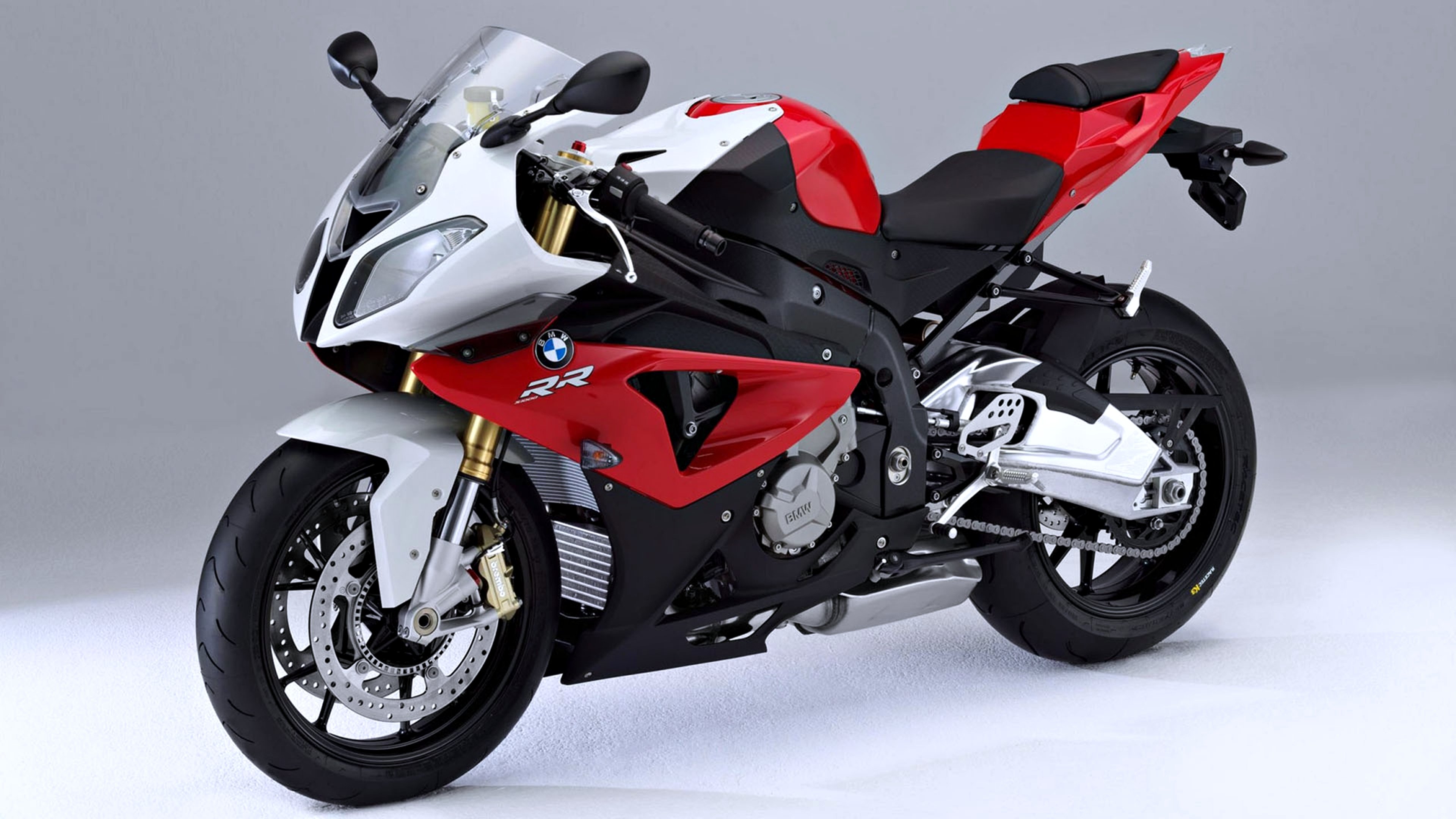
That moment when you approach an intersection, and your gut clenches just a little bit? You spot the cars lining up, the potential for someone to pull out unexpectedly… it’s a situation every rider knows intimately. You’re not alone. Intersections are statistically the most dangerous places for motorcyclists, so mastering the art of safely navigating them is paramount.
Understanding the risks inherent in intersections – limited visibility, distracted drivers, and misjudgments of speed and distance – is the first step towards building a stronger safety mindset. Improving your intersection strategy isn't just about avoiding accidents; it's about boosting your confidence, enhancing your awareness, and enjoying every ride with greater peace of mind.
One of the most impactful changes you can maketodayis to consciously adjust your speed as you approach any intersection. Slowing down gives you more time to react, allows other drivers to see you more clearly, and reduces the severity of a potential impact. Think of it as buying yourself a little extra insurance on the road.
Approaching the Intersection: A Layered Defense
A defensive approach to intersections involves multiple layers of observation, planning, and execution. It's not just about reacting to what's happeningright nowbut anticipating whatcouldhappen. This starts well before you reach the crosswalk.
Scan, Scan, Scan: As you approach, actively scan the intersection. Check left, right, and left again (or right, left, right, depending on traffic flow). Don’t just glance;reallylook. Are there cars waiting to turn? Pedestrians poised to cross? Are there obstructions to your view, like parked cars or bushes? Are the traffic lights functioning correctly? Identify Potential Hazards: Mentally flag any potential hazards. A car with its turn signal on is apotentialhazard, not a guaranteed one. A pedestrian looking down at their phone is another. Assume that other drivers don't see you (because, sadly, often they don’t!). Cover the Brakes: This is a fundamental defensive motorcycle riding technique. Place your fingers lightly on the brake lever, ready to react instantly. This reduces your reaction time significantly in an emergency. Position Yourself for Visibility: Where you position yourself within your lane can make a big difference. Consider moving slightly to the left or right within your lane to increase your visibility to other drivers. Avoid riding in the center of the lane, where you're less visible in rear-view mirrors. Maintain a Safe Following Distance:If you’re approaching an intersection behind another vehicle, maintain a larger than normal following distance. This gives you a better view of the intersection and more time to react if the vehicle ahead brakes suddenly.
By implementing these stepsbeforeyou reach the intersection, you're creating a safer environment for yourself.
Navigating the Intersection: Execution and Awareness
Once you're at the intersection, your layered defense needs to translate into proactive actions. It’s about confirming your initial observations and being ready to adjust your plan if the situation changes.
Eye Contact (If Possible): If possible, make eye contact with drivers who might pose a threat. This is especially important with drivers waiting to turn left across your path. Eye contact doesn't guarantee they see you, but it increases the likelihood. Hesitate Before Entering: Even with a green light,hesitatebriefly before entering the intersection. Look left, right, and left again. This is your final confirmation that the coast is clear. Never assume a green light means it's safe to proceed without checking. Be Prepared to Stop: Even if you have the right-of-way, be prepared to stop suddenly. A distracted driver could run a red light, or a pedestrian could step into the crosswalk unexpectedly. Adjust Your Speed and Lane Position: If you see a potential hazard developing, adjust your speed and lane position accordingly. Slow down further, move to a different part of your lane, or even prepare to swerve if necessary. Consider the "What Ifs":Mentally rehearse different scenarios. What if that car pulls out in front of me? What if that pedestrian steps into the street? Having a plan in mind will help you react more quickly and effectively.
This active, engaged approach to intersection navigation is crucial for motorcycle riding safety. It requires constant vigilance and a willingness to adjust your plan at a moment's notice.
What’s the safest way to corner on a motorcycle?
While not directly related to intersections, cornering often precedes or follows them. The safest way to corner involves:
1.Slowing down before the turn: This allows for greater control and reduces the risk of running wide.
2.Looking through the turn: Your head and eyes should be focused on where you want to go, not on the obstacle you’re trying to avoid.
3.Countersteering: Applying slight pressure to the handlebar in the direction you want to turn.
4.Maintaining a smooth throttle: Avoid sudden acceleration or deceleration in the middle of the turn.
5.Leaning the motorcycle: Keeping your body aligned with the bike and maintaining a stable center of gravity.
Practicing these techniques in a controlled environment, like an empty parking lot, can significantly improve your cornering skills and overall motorcycle riding safety.
How can I ride confidently in bad weather?
Riding in bad weather requires extra caution and preparation. Some tips include: Slowing down significantly: Reduce your speed to account for reduced traction and visibility. Increasing following distance: Allow more space between you and other vehicles. Wearing appropriate gear: Waterproof and windproof gear is essential for staying comfortable and focused. Avoiding sudden movements: Smooth acceleration, braking, and steering are crucial for maintaining control. Checking tire pressure:Ensure your tires are properly inflated for optimal grip.
It’s also a good idea to avoid riding in extreme weather conditions altogether if possible. Knowing your limits and choosing safety over convenience is always a good practice.
What gear is most important for crash protection?
While all protective gear is important, a helmet is arguably the most crucial piece of equipment for motorcycle accident prevention. It protects your head from serious injury in the event of a crash. Other essential gear includes: Jacket and pants: Provide abrasion resistance and impact protection. Look for materials like leather or reinforced textiles. Gloves: Protect your hands from scrapes and bruises, and improve your grip on the handlebars. Boots:Offer ankle support and protect your feet from injury.
Investing in high-quality protective gear is an investment in your safety and well-being. Always wear your gear, no matter how short the ride.
After the Intersection: Maintaining Vigilance
Your defensive riding doesn't end once you've cleared the intersection. You should continue to scan your surroundings and anticipate potential hazards.
Check Your Mirrors: Immediately after clearing the intersection, check your mirrors to be aware of traffic behind you. Maintain a Safe Following Distance: Continue to maintain a safe following distance from vehicles ahead. Be Aware of Emerging Traffic: Be aware of traffic emerging from side streets and driveways. Prepare for the Next Intersection: As you approach the next intersection, start the process all over again – scanning, identifying potential hazards, and covering the brakes.
Remember, safe riding habits are not just a one-time thing; they're a continuous process of observation, planning, and execution.
Motorcycle accident prevention is all about proactive risk management. By adopting these motorcycle riding safety tips and defensive motorcycle riding techniques, you can significantly reduce your risk of accidents at intersections and enjoy safer, more confident rides. Each safe crossing builds on the last, fostering a deeper sense of control and awareness. Keep practicing, stay vigilant, and keep the rubber side down – you’ve got this!