
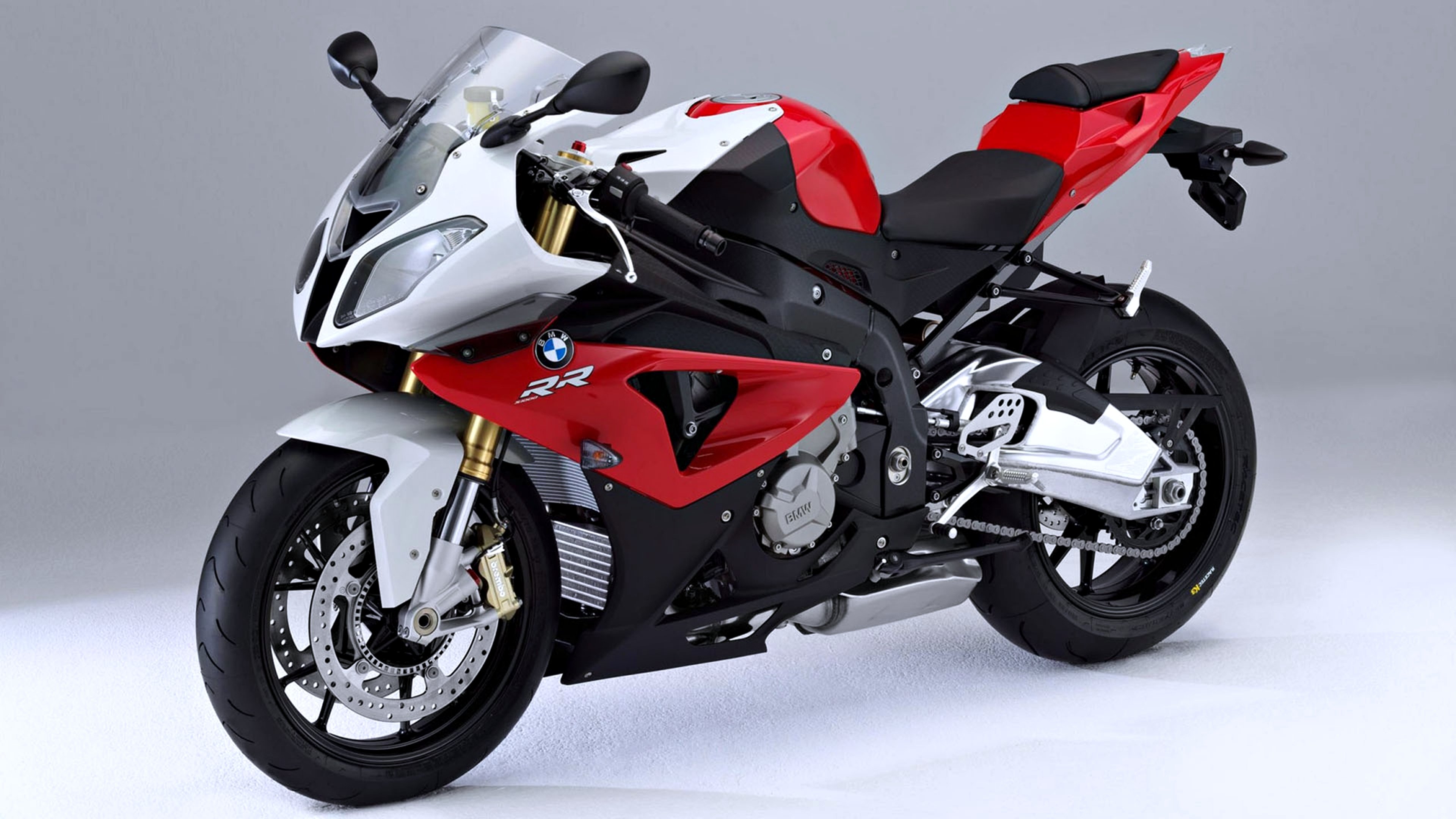
Ever heard someone say a loud pipe makes you safer on a motorcycle? Or that ABS is only for new riders? Maybe you've even believed it yourself. We all pick up bits of "wisdom" along the road, but when it comes to motorcycle safety, misinformation can be dangerous.
Understanding and debunking common motorcycle safety myths is crucial. It's about separating fact from fiction, ensuring you're making informed decisions that can genuinely improve your safety on the road. Knowing the truth empowers you to ride with more confidence, make better choices in challenging situations, and ultimately, enjoy motorcycling for years to come.
One immediate step you can take to enhance your understanding is to actively question everything you hear about motorcycle safety. Don't just accept advice at face value. Research it, verify it with reputable sources, and consider how it applies to your specific riding style and conditions.
Loud Pipes Save Lives: Myth or Reality?
This is one of the oldest and most pervasive myths in motorcycling. The argument is that a louder exhaust makes your bike more noticeable to car drivers, thus preventing accidents. While it's true that being seen is critical, relying solely on noise is a dangerous gamble.
A study by the Southern California Motorcycle Safety Foundation debunked this myth, concluding that loud pipes are not a reliable safety feature. Many factors influence whether a driver will hear your motorcycle, including ambient noise, closed windows, and the driver’s attention level. Furthermore, excessively loud pipes can actually be detrimental, creating noise pollution and fostering negative perceptions of motorcyclists among the general public.
Instead of relying on noise, focus on proven visibility strategies
Wear bright, contrasting gear: Fluorescent colors, especially yellow and orange, stand out in daylight. Add reflective strips for nighttime riding. Use your lights effectively: Keep your headlight on at all times, and consider adding auxiliary lights to increase your visibility profile. Position yourself strategically: Avoid riding in blind spots, and maintain a safe following distance to give yourself time to react. Use your horn: A quick blast of the horn can alert drivers to your presence when necessary.
ABS is Only for Beginners: False!
Anti-lock Braking Systems (ABS) are often mistakenly viewed as training wheels for new riders. The reality is ABS is a highly effective safety feature that benefits riders of all skill levels. It prevents wheel lockup during hard braking, allowing you to maintain steering control and potentially avoid a crash.
Imagine you're approaching an intersection and a car suddenly pulls out in front of you. Your instinct is to grab the brakes. Without ABS, your wheels could lock, causing you to skid uncontrollably. With ABS, the system modulates the braking pressure, preventing lockup and allowing you to steer around the obstacle.
Many experienced riders who initially dismissed ABS have changed their minds after experiencing its benefits firsthand in emergency situations. ABS doesn't replace good riding skills, but it acts as a safety net when traction is compromised.
What if my bike doesn't have ABS?
If your current motorcycle doesn't have ABS, that doesn't mean you're unsafe. Focus on mastering proper braking techniques, including progressive braking and threshold braking. Practice these techniques in a controlled environment, such as an empty parking lot, to build muscle memory and confidence. Also consider the benefits of ABS when purchasing your next motorcycle.
Protective Gear is Optional: A Deadly Misconception
Perhaps the most dangerous myth is that protective gear is a matter of personal preference. While it's true that some states don't mandate helmet use, the evidence overwhelmingly supports the life-saving potential of proper gear.
A full-face helmet is the most crucial piece of protective equipment, reducing the risk of head injury in a crash by up to 69%. But it doesn't stop there. A quality riding jacket and pants made from abrasion-resistant materials like leather or reinforced textiles can significantly minimize road rash and other injuries. Gloves protect your hands, which are often the first point of contact in a fall, and sturdy riding boots provide ankle and foot support.
Think of protective gear as an investment in your safety and well-being. It's not about looking cool; it's about being prepared for the unexpected.
What gear is most important for crash protection?
While all protective gear is important, a full-face helmet, a well-fitted riding jacket and gloves should be considered a high priority. Remember to check the fit, safety rating and comfort of each piece of gear you purchase!
Experience Equals Immunity: A Recipe for Disaster
This is a dangerous mindset that can lead to complacency and poor decision-making. Just because you've been riding for years doesn't make you immune to accidents. In fact, experienced riders are sometimes more likely to take risks, overestimate their abilities, and become less vigilant about safety precautions.
Continuous learning and skill development are essential, regardless of your experience level. Take refresher courses, practice advanced riding techniques, and stay up-to-date on the latest safety information. Also, be willing to acknowledge your limitations and avoid riding beyond your comfort zone.
What’s the safest way to corner on a motorcycle?
The safest way to corner involves several factors: proper speed selection before the turn, smooth throttle and brake control, looking through the turn, and maintaining a stable body position. Practicing slow-speed maneuvers in a controlled environment can greatly improve your cornering skills. Consider advanced rider courses that cover cornering techniques in detail.
Lane Splitting is Always Safe: Highly Conditional
Lane splitting, or riding between lanes of stopped or slow-moving traffic, is a controversial topic. It's legal in some areas but illegal in others. Even where it's legal, it's not always safe.
Lane splitting can potentially reduce congestion and improve traffic flow, but it also increases the risk of accidents. Drivers may not expect a motorcycle to be approaching from behind, and they may change lanes without signaling or checking their mirrors.
If you choose to lane split, do so cautiously and responsibly. Only do it when traffic is moving very slowly, maintain a safe speed differential, and be extra vigilant for hazards.
How can I ride confidently in bad weather?
Riding confidently in bad weather requires specific skills and preparation. Reduce your speed, increase your following distance, and use smooth, controlled inputs. Choose tires designed for wet conditions, and consider using rain gear to stay dry and comfortable. Practicing in a safe, controlled environment can help you develop the skills needed to handle challenging weather conditions.
Debunking these motorcycle safety myths is just the beginning. Continue to seek out reliable information, practice safe riding habits, and never stop learning. Your safety and enjoyment on the road depend on it. Ride smart, ride safe, and keep the rubber side down.