
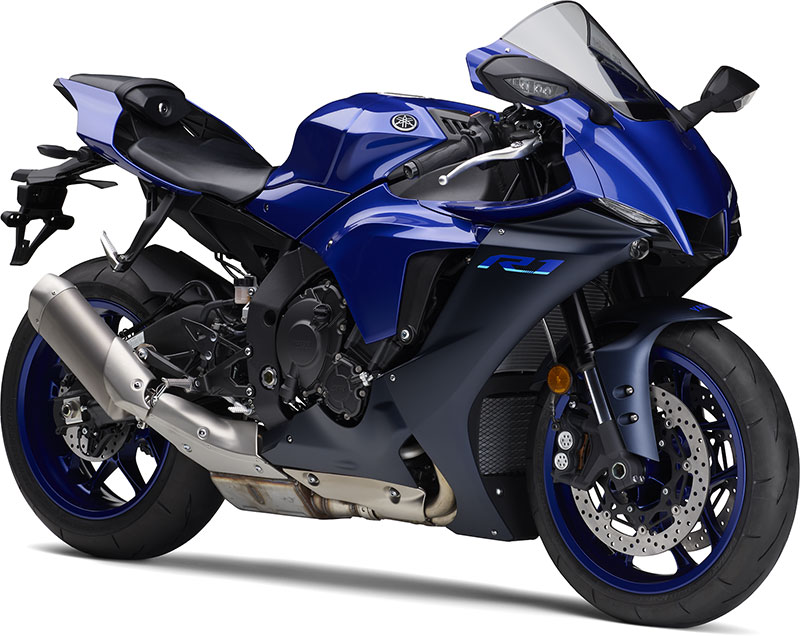
That quick jab of the brakes…the sudden swerve to avoid debris…we've all been there. Those heart-pounding moments are a stark reminder that motorcycle riding demands constant vigilance and proactive care. It's not just about the thrill of the open road; it's about arriving safely at your destination, every single time.
Motorcycle maintenance is far more than just a chore; it's a critical element of motorcycle riding safety. Neglecting routine checks can lead to mechanical failures, compromised handling, and increased risk of accidents. When you prioritize motorcycle upkeep, you enhance your confidence in your machine, improve your overall control, and significantly reduce the likelihood of encountering dangerous situations on the road. Even a simple tire pressure check before each ride can make a world of difference.
Let's start with the tires. Before every ride, take a moment to inspect your tires for cuts, bulges, or embedded objects. Use a reliable tire pressure gauge to ensure they are inflated to the manufacturer's recommended pressure (found in your owner’s manual or on a sticker on the bike). Underinflated tires can negatively affect handling and increase the risk of a blowout, while overinflated tires can reduce grip.
Essential Pre-Ride Motorcycle Checks
Making a habit of pre-ride checks might seem tedious at first, but it quickly becomes second nature and can prevent serious problems down the line. These checks should become an automatic part of your routine before every ride, no matter how short.
Tires: As mentioned, check for proper inflation and any signs of wear or damage. Pay close attention to the tread depth; worn tires significantly reduce traction, especially in wet conditions. Lights: Verify that your headlight, taillight, brake lights, and turn signals are all functioning correctly. Visibility is paramount, especially at night or in inclement weather. Consider upgrading to brighter LED lights for enhanced visibility. Fluids: Check the levels of your engine oil, coolant (if applicable), brake fluid, and clutch fluid (if applicable). Low fluid levels can lead to engine damage or brake failure. Look for any leaks around seals and hoses. Brakes: Inspect the brake pads for wear. Replace them if they are nearing the minimum thickness recommended by the manufacturer. Squeeze the brake levers and ensure they feel firm and responsive. Check for any leaks around the brake lines or calipers. Chain/Belt: If your motorcycle has a chain, inspect it for proper lubrication, tension, and signs of wear. A dry or loose chain can snap, causing serious damage or a loss of control. If your motorcycle has a belt, check for cracks or fraying. Throttle: Ensure the throttle operates smoothly and returns to the closed position freely. A sticking throttle can be extremely dangerous. Mirrors: Adjust your mirrors to provide a clear view of the road behind you. Horn: Give your horn a quick blast to make sure it's working. You never know when you might need it to alert another driver to your presence.
Regular Motorcycle Maintenance Schedule
Beyond the pre-ride checks, adhering to a regular maintenance schedule is essential for long-term reliability and safety. Consult your owner's manual for the manufacturer's recommended maintenance intervals.
Oil Changes: Regular oil changes are crucial for engine health. Follow the manufacturer's recommended oil change intervals and use the correct type of oil. Filter Changes: Replace the oil filter and air filter at the recommended intervals. Clean filters ensure proper engine performance and fuel efficiency. Coolant Flush: Flush and replace the coolant every two years or as recommended by the manufacturer. Brake Fluid Flush: Brake fluid absorbs moisture over time, which can reduce braking performance. Flush and replace the brake fluid every two years. Spark Plugs: Replace the spark plugs at the recommended intervals. Worn spark plugs can lead to poor engine performance and reduced fuel efficiency. Chain/Belt Maintenance: Regularly clean, lubricate, and adjust your chain. Replace it when it becomes worn or stretched. Inspect your belt for wear and replace it as needed. Tire Replacement: Replace your tires when they reach the minimum tread depth or show signs of excessive wear or damage. Professional Inspection: Have your motorcycle inspected by a qualified mechanic at least once a year. They can identify potential problems that you might miss.
What's the easiest way to maintain my motorcycle chain?
Maintaining your motorcycle chain doesn’t have to be a chore. Invest in a good quality chain cleaner and lubricant. Use the cleaner to remove dirt and grime, then apply the lubricant evenly along the entire length of the chain. Allow the lubricant to penetrate for a few minutes before wiping off any excess. Repeat this process every 300-600 miles, or more frequently in wet or dusty conditions. Always check the chain tension after lubricating and adjust as needed. Remember, a well-maintained chain translates to smoother power delivery and longer chain life.
Protective Gear: Your First Line of Defense
While proper motorcycle maintenance helps prevent accidents, wearing the right protective gear minimizes the risk of injury if an accident does occur. Never compromise on safety when it comes to gear. Protective gear for motorcyclists is not optional.
Helmet: A DOT-approved helmet is the most important piece of gear. Ensure it fits snugly and comfortably. Replace it after any impact, even if there's no visible damage. Jacket and Pants: Wear a motorcycle-specific jacket and pants made of abrasion-resistant materials like leather or reinforced textiles. Look for armor in the shoulders, elbows, and knees. Gloves: Protect your hands with motorcycle gloves. They should provide good grip and protection for your knuckles and palms. Boots: Wear sturdy motorcycle boots that provide ankle support and foot protection. Eye Protection: Wear a face shield or goggles to protect your eyes from wind, debris, and insects. High-Visibility Clothing: Wear brightly colored clothing or reflective gear to increase your visibility to other drivers.
What gear is most important for crash protection?
While all protective gear is important, a helmet is undoubtedly the most crucial piece. Head injuries are a leading cause of death and serious injury in motorcycle accidents. A properly fitted and DOT-approved helmet can significantly reduce the risk of head trauma. Beyond the helmet, a quality jacket and pants with armor are essential for protecting your torso and limbs from abrasion and impact. Prioritize these three items when investing in protective gear.
Defensive Riding Techniques: Anticipating the Unexpected
Even with a well-maintained motorcycle and proper protective gear, safe motorcycle riding depends on adopting defensive riding techniques.
Be Visible: Wear bright clothing, use your headlight during the day, and position yourself in the lane where other drivers can see you. Scan the Road Ahead: Constantly scan the road ahead for potential hazards, such as potholes, gravel, or other vehicles. Maintain a Safe Following Distance: Allow plenty of space between you and the vehicle in front of you. This gives you more time to react to sudden changes in traffic. Anticipate Other Drivers' Actions: Assume that other drivers don't see you and be prepared to react to their mistakes. Use Your Mirrors Frequently: Check your mirrors regularly to be aware of what's happening around you. Avoid Blind Spots: Be aware of other vehicles' blind spots and avoid riding in them. Lane Positioning: Choose a lane position that maximizes your visibility and provides an escape route if necessary. Ride at a Safe Speed: Adjust your speed to the road conditions and traffic. Be Aware of Weather Conditions:Adjust your riding style and speed to account for rain, wind, or other weather conditions.
How can I ride confidently in bad weather?
Riding confidently in bad weather starts with recognizing your limits. If conditions are truly severe, consider postponing your ride. If you must ride, reduce your speed significantly. Increase your following distance, and avoid sudden braking or acceleration. Use smooth, controlled movements. Ensure your tires are properly inflated and in good condition. Rain gear is essential for staying dry and comfortable, which will help you maintain focus. Consider taking an advanced riding course that covers riding in adverse conditions. Practicing in a controlled environment can build confidence and improve your skills.
Staying Alert and Focused
Riding a motorcycle demands constant attention and focus. Fatigue, distractions, and impairment can significantly increase the risk of an accident.
Get Enough Rest: Avoid riding when you are tired. Fatigue impairs your judgment and reaction time. Avoid Distractions: Put away your phone and focus on the road. Avoid eating or drinking while riding. Stay Hydrated: Dehydration can lead to fatigue and reduced concentration. Drink plenty of water before and during your ride. Avoid Alcohol and Drugs: Never ride under the influence of alcohol or drugs. Take Breaks:Stop frequently to rest and stretch. This will help you stay alert and focused.
Taking these steps to properly maintain your motorcycle, wear the right gear, practice defensive riding techniques, and stay alert, you'll be well-equipped to enjoy countless miles of safe and exhilarating riding. Remember, prioritizing safety isn't about limiting your freedom; it's about preserving it. Ride smart, ride safe, and keep the rubber side down!