
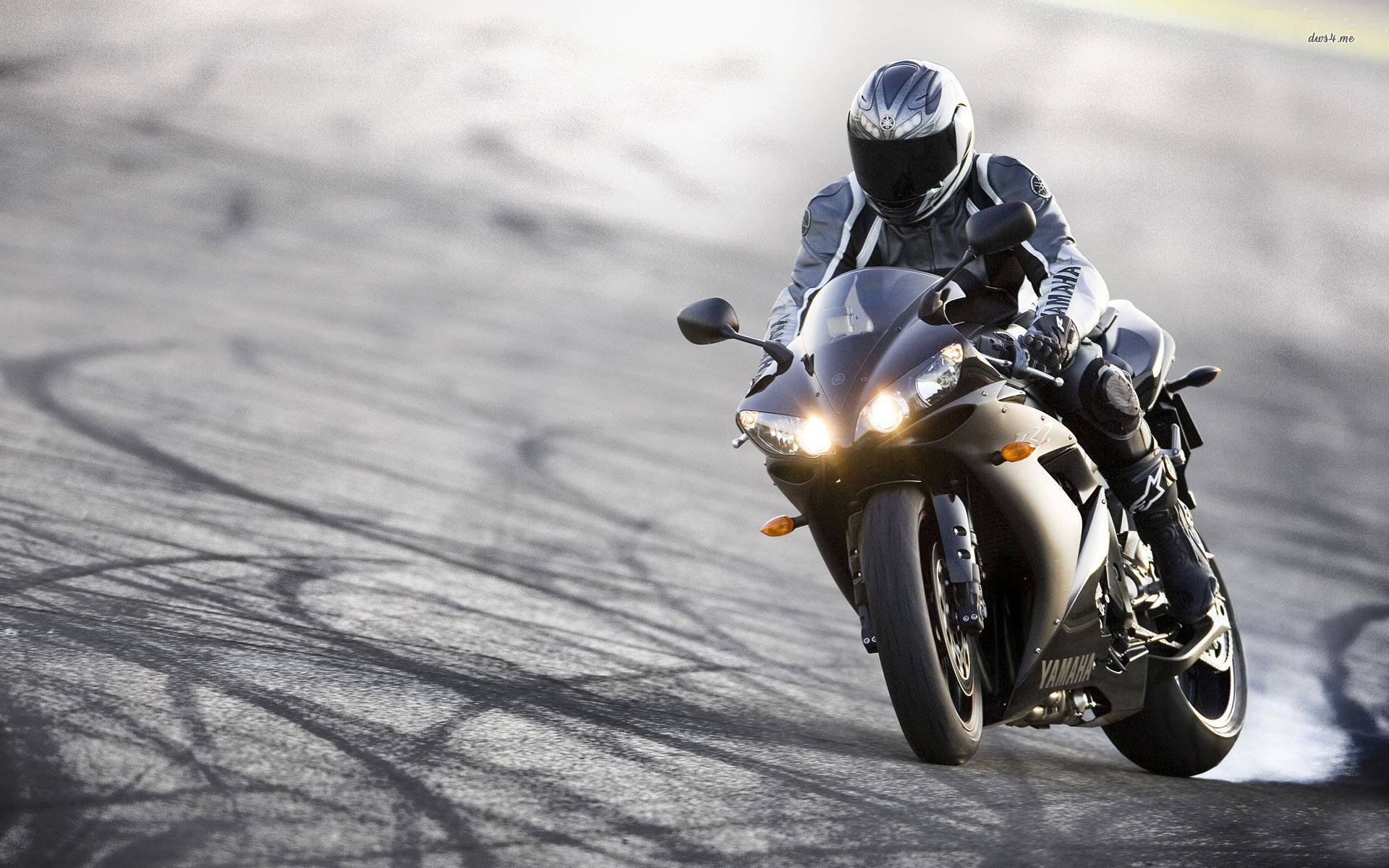
That moment when a car suddenly pulls out in front of you… it’s the kind of heart-stopping scenario every motorcyclist dreads. Reacting quickly and effectively is crucial, and that often comes down to mastering emergency braking.
Knowing how to stop your motorcycle safely and efficiently in a crisis situation isn't just about avoiding accidents; it's about building confidence and control on the road. Understanding emergency braking techniques allows you to react instinctively, minimize braking distance, and potentially save your life. This skill enhances your overall riding awareness and helps you anticipate hazards, turning you into a more proactive and safer rider.
One immediate improvement you can make? Practice progressive braking in a controlled environment. Find an empty parking lot and gradually apply increasing pressure to both your front and rear brakes. Focus on smooth, even pressure, avoiding sudden grabs that can lock up your wheels. Getting a feel for your bike's braking capabilities in a safe space will translate to quicker, more controlled reactions in real-world emergencies.
The Foundation of Motorcycle Emergency Braking
Emergency braking isn’t about slamming on the brakes and hoping for the best. It’s a skill built on understanding your motorcycle, practicing proper technique, and developing the muscle memory needed to react instantly. It's a cornerstone of defensive motorcycle riding techniques and is arguably the most important skill a rider can possess. The key is maximizing available grip while maintaining control.
Why is emergency braking so crucial for motorcyclists?
Simply put, it can mean the difference between avoiding a collision and becoming part of one. Motorcycle accident prevention relies heavily on your ability to stop quickly. Cars have crumple zones and airbags; motorcycles offer far less protection. Mastering emergency braking is a proactive measure that puts you in control when faced with unexpected hazards, increasing your chances of walking away unscathed. It goes hand-in-hand with other safe riding habits, such as maintaining a safe following distance and constantly scanning your surroundings.
The Steps to Effective Emergency Braking
Emergency braking involves a sequence of actions executed quickly and precisely. Here’s a breakdown of the recommended technique:
1.React Immediately: The instant you perceive a threat, your brain needs to signal your body to react. This requires a conscious effort to train yourself to recognize potential dangers and respond instantly. Minimize reaction time by keeping your fingers lightly resting on the brake levers.
2.Progressive Front Brake Application: The front brake provides the majority of your stopping power (around 70-80% on most motorcycles). Squeeze the front brake lever progressively, increasing pressure smoothly and firmly. Avoid grabbing the lever suddenly, which can lock the front wheel and cause a loss of control.
3.Simultaneous Rear Brake Application: Apply the rear brake simultaneously with the front brake, but be mindful of locking the rear wheel. The rear brake helps stabilize the motorcycle and reduces braking distance. Feather the rear brake pedal, applying firm but controlled pressure.
4.Downshift (If Time Permits): Downshifting to lower gears provides engine braking, which further assists in slowing the motorcycle. However, prioritize braking first. If you have time after initiating braking, downshift one or two gears to increase engine braking and prepare for a potential evasive maneuver if the situation changes.
5.Maintain a Straight Line: Ideally, emergency braking should be performed in a straight line. Avoid braking hard while leaned over in a turn, as this can easily lead to a loss of traction. If you’re in a turn, try to straighten the motorcycle as much as possible before applying maximum braking force.
6.Look Where You Want to Go: This is crucial for maintaining stability and control. Focus your eyes on the escape route, not the obstacle. Your motorcycle will tend to follow your gaze.
Common Mistakes to Avoid During Emergency Braking
Several common errors can compromise your emergency braking effectiveness. Recognizing and avoiding these mistakes is crucial for improving your skills.
Target Fixation: Staring directly at the obstacle you're trying to avoid can lead to you steering towards it. Remember, look towards your escape route. Panicking and Freezing: Fear can cause you to freeze up, delaying your reaction time and preventing you from executing the necessary braking maneuvers. Practice and mental preparation can help combat this. Only Using One Brake: Neglecting to use both brakes significantly reduces your stopping power. Train yourself to use both brakes simultaneously for optimal deceleration. Locking the Wheels: Locking either the front or rear wheel can lead to a loss of control. Modulate your brake pressure to maintain traction and avoid wheel lock-up. If you feel a wheel locking, ease off the brake slightly to regain traction and then reapply pressure. Abrupt Throttle Closure:Suddenly chopping the throttle can upset the motorcycle's balance and make it more difficult to control. Close the throttle smoothly and gradually as you brake.
Advanced Braking Techniques and Technologies
While the fundamental braking techniques remain the same, understanding advanced concepts and technologies can further enhance your safety and control.
ABS (Anti-lock Braking System) on Motorcycles
ABS is a valuable safety feature that prevents wheel lock-up during braking. If your motorcycle is equipped with ABS, you can generally apply maximum braking force without worrying about locking the wheels. The ABS system will automatically modulate the brake pressure to maintain traction. However, it's essential to understand how your specific ABS system works and practice using it in a controlled environment. Note that even with ABS, proper technique and situational awareness are still essential. ABS provides an extra layer of safety, but it doesn’t replace the need for skillful riding.
Combined Braking Systems (CBS)
Some motorcycles feature combined braking systems that link the front and rear brakes. When you apply one brake (typically the rear), the system automatically applies some braking force to the other brake as well. This can simplify braking and improve stability, especially for less experienced riders. However, it's crucial to understand how your particular CBS works and practice using it to become familiar with its behavior.
Trail Braking Techniques
Trail braking is a technique used in cornering where you apply light braking pressure while leaned over in a turn. This can help stabilize the motorcycle and maintain control. However, trail braking is an advanced technique that requires practice and skill. It's crucial to understand the risks involved and to practice in a controlled environment before attempting it on the road.
What’s the safest way to corner on a motorcycle?
The safest way to corner involves a combination of factors. First, always approach corners at a safe speed, allowing yourself ample time to react to unexpected hazards. Second, use the "look, lean, and roll" technique: Look through the corner to identify your exit point, lean the motorcycle into the turn, and smoothly roll on the throttle to maintain stability. Avoid braking hard in the middle of a corner, as this can upset the motorcycle's balance and lead to a loss of traction. Practice cornering techniques in a controlled environment, such as a track day or advanced riding course, to improve your skills and build confidence. Remember that defensive motorcycle riding techniques extend to cornering, and you should always be prepared for the unexpected.
Practice and Continuous Improvement
Mastering emergency braking takes time and practice. Find a safe, empty area and practice the techniques described above. Start slowly and gradually increase your speed as you become more comfortable. Focus on smooth, controlled braking and avoid locking the wheels.
Regular Practice: Practice emergency braking drills regularly to maintain your skills and muscle memory. Advanced Riding Courses: Consider taking an advanced riding course to learn from experienced instructors and refine your techniques. Track Days:Track days provide a safe and controlled environment to push your limits and improve your riding skills.
Remember that protective gear for motorcyclists is essential, especially when practicing advanced techniques. Always wear a helmet, gloves, boots, and a protective jacket and pants.
Developing these skills isn't about becoming a stunt rider; it's about equipping yourself with the tools to handle unexpected situations with confidence and control. The more you practice and refine your braking techniques, the safer and more enjoyable your riding experience will be. So, get out there, practice safely, and become a more confident and capable rider.
Every ride is a chance to learn and grow. By continuously honing your skills and staying vigilant on the road, you can dramatically reduce your risk and enjoy the freedom of motorcycling with greater peace of mind. Keep practicing, stay safe, and ride smart!