
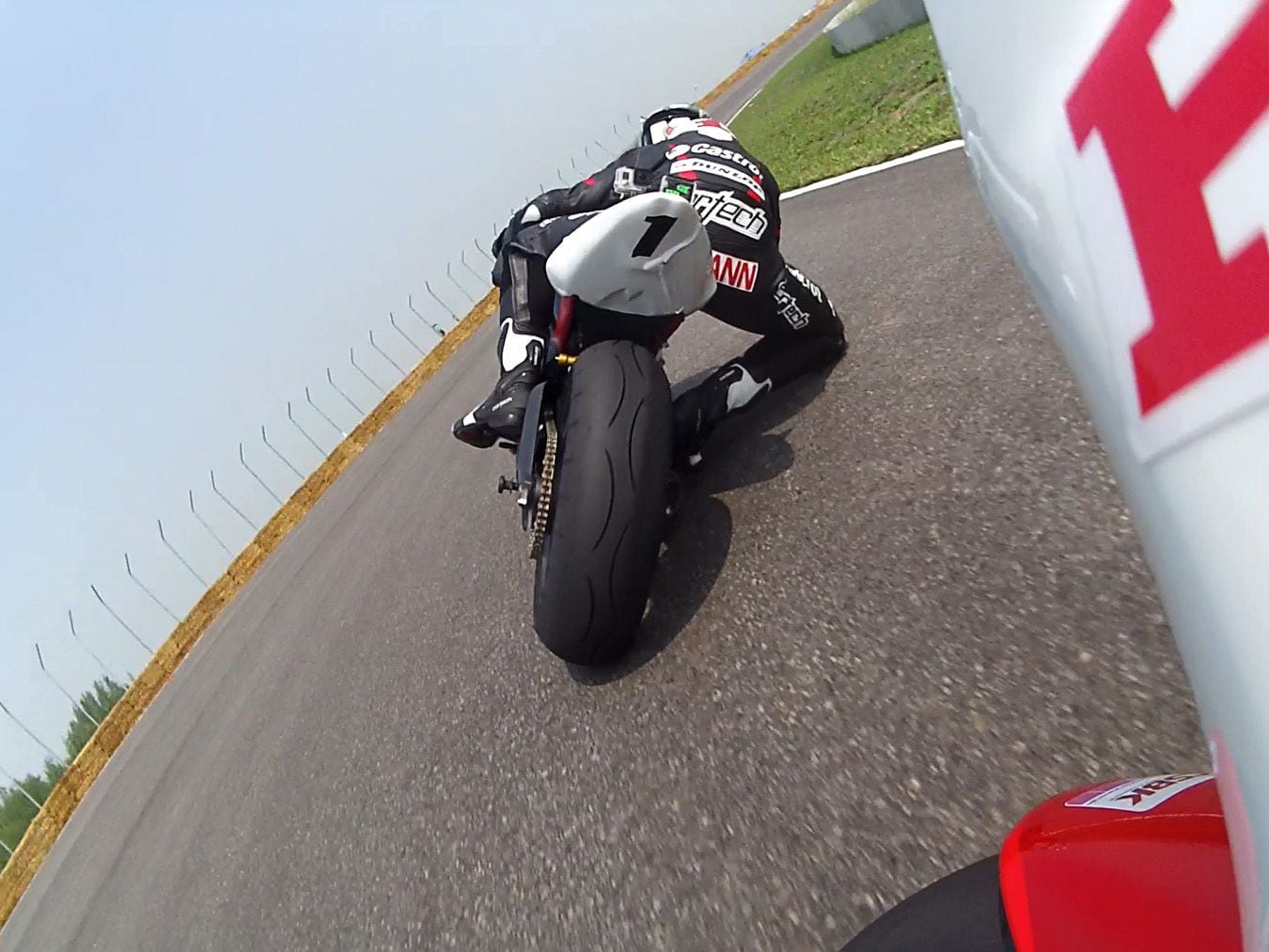
Ever felt your gaze glued to that pothole in the middle of the turn, your bike drifting right towards it despite your best intentions? That feeling of helplessness is target fixation, and it's a common pitfall for even experienced riders.
Target fixation can turn a minor hazard into a major problem in seconds. Understanding this phenomenon and developing strategies to combat it is crucial for staying safe, maintaining control, and building confidence on the road. It's about training your mind to guide your bike whereyouwant it to go, not where your fear directs you.
One simple technique you can start practicing today is "Look Where You Want To Go." Sounds basic, right? But consciously focusing your vision on theopen pathahead, the exit of the turn, or the safe space you're aiming for will subconsciously guide your steering and body position, pulling youawayfrom the danger.
Understanding Target Fixation: Why It Happens
Target fixation isn't about being a bad rider; it's a natural human response. When faced with a perceived threat – a stalled car, debris in the road, or even just a sharp corner – your attention narrows, and your brain focuses intensely on the hazard. This intense focus can override your conscious steering inputs, causing you to steer directly toward the thing you're trying to avoid. This is due, in part, to a primitive part of your brain that prioritizes survival over nuanced motor control.
It's like a self-fulfilling prophecy. The more you stare at the hazard, the more likely you are to hit it. It's essential to recognize that your motorcycle will generally go where you look. This is why motorcycle riding safety tips often emphasize the importance of proper visual scanning.
Practical Strategies to Overcome Target Fixation
Overcoming target fixation requires conscious effort and practice. It’s about retraining your brain to focus on the positive – the safe path – rather than the negative – the hazard. Here are some actionable steps you can take: Practice Visual Scanning: Don't just fixate on what's directly in front of you. Constantly scan your surroundings: mirrors, gauges, and the road ahead. This broad awareness helps you anticipate potential hazards before they become immediate threats. This is a key component of defensive motorcycle riding techniques. The "Look Through" Technique: Imagine the hazard is transparent. Instead of focusingonit, try to lookthroughit, focusing on what lies beyond – the safe zone. This shifts your attention and helps you steer toward your desired path. Break Down Complex Situations: If you're approaching a series of challenging curves, break them down into smaller, manageable segments. Focus on the entry, apex, and exit of each corner individually, rather than getting overwhelmed by the entire sequence. Use Peripheral Vision: Train yourself to be aware of objects in your peripheral vision. This allows you to react to potential hazards without directly staring at them, minimizing the risk of target fixation. Body Positioning:While your vision is key, proper body positioning plays a big role. If you're turning, lean into the turn and keep your head and eyes level, looking through the turn to where you want to go.
How can I improve my vision while riding?
Improving your vision while riding involves both physical and mental preparation. Firstly, ensure you have appropriate eyewear. A clear or tinted visor, depending on the light conditions, is essential for protecting your eyes from debris, wind, and sun glare. Consider investing in a high-quality visor with anti-fog and anti-scratch coatings.
Secondly, regularly check your vision. An annual eye exam can identify any changes in your eyesight and allow you to adjust your corrective lenses, if needed.
Finally, practice visual scanning techniques. Make a conscious effort to scan your surroundings frequently, including your mirrors, blind spots, and the road ahead. This helps you anticipate potential hazards and react accordingly. Regular practice will improve your reaction time and overall awareness.
What's the safest way to corner on a motorcycle?
Safe cornering is a cornerstone of motorcycle riding safety tips, requiring a combination of skills and techniques. The process can be broken down into several key steps:
1.Slow Down: Before entering the corner, reduce your speed to a comfortable and manageable level. This gives you more time to react to unexpected hazards.
2.Position Yourself: Adjust your position on the motorcycle to optimize your line of sight and prepare for the lean. This often involves moving to the opposite side of the seat from the direction of the turn.
3.Look Through the Turn: Focus your vision on the exit of the corner. This will help guide your steering and maintain a smooth line.
4.Lean: Initiate the lean by gently pressing on the handlebar in the direction of the turn. Use your body weight to assist with the lean angle.
5.Maintain Throttle: Maintain a steady throttle through the corner to stabilize the motorcycle and prevent it from standing up.
6.Smooth Throttle Roll-On: As you approach the exit of the corner, gradually roll on the throttle to accelerate out of the turn.
7.Adjust as Needed: Be prepared to adjust your line, speed, or lean angle if necessary to avoid obstacles or other hazards.
Regular practice and advanced rider training courses can significantly improve your cornering skills.
How can I ride confidently in bad weather?
Riding in adverse weather conditions requires a different set of skills and precautions. Here are some ways to boost your confidence and safety when the weather turns sour: Slow Down: Reduce your speed significantly to compensate for reduced traction and visibility. Increase Following Distance: Allow for a greater following distance to provide more time to react to sudden stops or hazards. Use Appropriate Gear: Wear waterproof and windproof protective gear to stay warm and dry. This includes a quality rain suit, waterproof gloves, and boots. Maximize Visibility: Use your headlights and consider wearing bright, reflective clothing to increase your visibility to other drivers. Avoid Sudden Movements: Make smooth and gradual adjustments to your speed, steering, and braking. Watch for Hazards: Be extra vigilant for hazards such as puddles, oil slicks, and debris on the road. Practice in Controlled Environments:If possible, practice riding in wet conditions in a safe, controlled environment to get a feel for how your motorcycle handles in reduced traction.
Protective gear for motorcyclists is especially important in bad weather, not just for crash protection but also for comfort and focus. Being cold and wet can significantly impair your concentration and reaction time.
Motorcycle Accident Prevention: A Holistic Approach
Avoiding target fixation is just one piece of the motorcycle accident prevention puzzle. A comprehensive approach to safety involves a combination of factors, including: Proper Training: Completing a motorcycle safety course is essential for learning fundamental riding skills and developing safe riding habits. Advanced courses can further enhance your abilities and prepare you for more challenging situations. Regular Maintenance: Keeping your motorcycle in good working order is crucial for safety. Regularly check your tires, brakes, lights, and other essential components. Protective Gear: Always wear appropriate protective gear, including a helmet, jacket, gloves, pants, and boots. This gear can significantly reduce the risk of injury in the event of an accident. How to stay visible on a motorcycle? Wear bright colours, reflective materials, and always use your lights. Defensive Riding: Practice defensive riding techniques, such as anticipating potential hazards, maintaining a safe following distance, and being aware of your surroundings. Staying Alert and Focused:Avoid riding when you're tired, distracted, or under the influence of alcohol or drugs.
Adopting safe riding habits and continuously improving your skills are essential for staying safe on the road.
Mastering the art of directing your gaze, rather than letting it be dictated by fear, will transform your riding experience. It will enhance your control, boost your confidence, and ultimately make you a safer and more skilled rider. Keep practicing, stay focused, and remember to always look where you want to go – the open road awaits.