
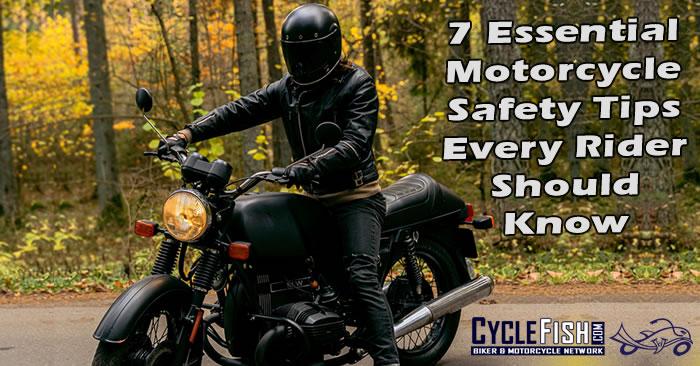
Why apply motorcycle wisdom to EVs and hybrids? Because these vehicles, while incredibly advanced, require a slightly different driving style than traditional gasoline cars. Adapting the hyper-awareness mindset of a motorcyclist ensures you're maximizing efficiency, anticipating potential hazards, and, most importantly, staying safe behind the wheel. You'll find the transition smoother, more enjoyable, and you’ll be making smarter choices about everything from regenerative braking to planning your charging stops.
One crucial habit to adopt immediately is proactive scanning. Just as a motorcyclist constantly scans the road for potholes, gravel, and other hazards, an EV or hybrid driver should be vigilant about monitoring energy consumption and potential charging needs. Pay close attention to your battery range, upcoming elevation changes (which can impact range), and the availability of EV charging stations along your route. This kind of forward-thinking approach will keep you confidently in control.
Cornering Like a Pro (and Saving Energy!)
Motorcyclists understand the importance of smooth cornering. Aggressive, jerky movements waste energy and can destabilize the bike. Similarly, in an EV or hybrid, smooth acceleration and braking are key to maximizing efficiency. Avoid sudden bursts of speed and hard braking whenever possible. Instead, anticipate traffic flow and use regenerative braking to recapture energy and extend your range. This smoother driving style not only saves energy but also reduces wear and tear on your vehicle's components. Think of it as "carving" your way through traffic, efficiently and gracefully.
What is regenerative braking and how does it work?
Regenerative braking uses the electric motor to slow the vehicle down, converting kinetic energy back into electrical energy that's stored in the battery. This not only reduces the need for traditional friction brakes but also helps to extend your driving range. Most EVs and hybrids offer adjustable regenerative braking settings, allowing you to customize the level of deceleration and energy recapture. Experiment with different settings to find what works best for your driving style and road conditions.
Gear Up… For Efficiency!
Motorcycle riders invest in protective gear to minimize injury in case of an accident. As an EV or hybrid driver, your "gear" is your understanding of the vehicle's systems and how to use them efficiently. Educate yourself about your car's energy consumption displays, driving modes (eco, sport, etc.), and available charging options. Knowing how these systems work empowers you to make informed decisions that maximize your vehicle's performance and range. Regularly checking your tire pressure, minimizing aerodynamic drag (removing roof racks when not in use), and pre-conditioning your battery in extreme temperatures are all ways to “gear up” for optimal efficiency.
How does temperature affect electric car battery range?
Extreme temperatures, both hot and cold, can significantly impact an EV's battery range. Cold temperatures reduce battery capacity and increase energy consumption for heating. Hot temperatures can also reduce battery efficiency and, in extreme cases, lead to temporary range limitations to protect the battery. Pre-conditioning the battery while plugged in can help mitigate these effects by warming or cooling the battery to its optimal operating temperature before you start driving.
Blind Spot Awareness: Charging Infrastructure
Motorcyclists are acutely aware of blind spots and the importance of checking them frequently. As an EV or hybrid driver, your "blind spot" might be the availability (or lack thereof) of charging infrastructure. Before embarking on a long trip, thoroughly research charging options along your route. Use apps and websites to locate EV charging stations, check their availability, and plan your charging stops accordingly. Don’t assume a charger will be available; having backup plans is crucial, especially in less densely populated areas. This proactive approach will help you avoid range anxiety and ensure a smooth and stress-free journey.
What’s the difference between Level 1, Level 2, and DC fast charging?
Level 1 charging uses a standard 120V household outlet and provides the slowest charging speeds, typically adding only a few miles of range per hour. Level 2 charging uses a 240V outlet (similar to what you use for a dryer or oven) and offers significantly faster charging speeds, adding 10-20 miles of range per hour. DC fast charging, also known as Level 3 charging, is the fastest charging option, capable of adding hundreds of miles of range per hour. However, DC fast charging is typically only available at public charging stations and may not be compatible with all EVs.
Road Hazards: Range Anxiety and Phantom Drain
Motorcyclists are constantly on the lookout for road hazards that could cause an accident. In the world of EVs and hybrids, "road hazards" come in the form of range anxiety and phantom drain. Range anxiety is the fear of running out of battery power before reaching a charging station. Phantom drain is the gradual loss of battery charge even when the vehicle is parked and not in use. Understanding these "hazards" and taking steps to mitigate them is essential for a confident and enjoyable EV or hybrid ownership experience.
Combat range anxiety by planning your routes carefully, monitoring your energy consumption, and having backup charging options. Minimize phantom drain by avoiding parking in extreme temperatures, disabling unnecessary features (like location tracking), and keeping your battery charged to a moderate level (around 50-80%) when storing the vehicle for extended periods.
The Open Road Awaits
Embracing the mindset of a motorcycle rider – the awareness, the proactive planning, and the smooth control – is a fantastic way to get the most out of your electric or hybrid vehicle. You’ll not only drive more efficiently and safely, but you’ll also develop a deeper appreciation for the technology and the journey. The future of driving is electric, and with a little preparation and a proactive attitude, you'll be ready to embrace it fully. So, gear up, charge up, and enjoy the ride!